

EUROPE — For the first time in over a quarter of a century, the European continent is preparing to fall under the mesmerizing shadow of a total solar eclipse. On August 12, 2026, a narrow corridor of the Earth stretching from the high Arctic down to the sun-drenched coasts of the Mediterranean will experience up to 2 minutes and 18 seconds of complete daytime darkness.
This celestial phenomenon marks the first time a path of totality has crossed continental Europe since August 11, 1999—a generational gap that has fueled unprecedented anticipation among astronomers, researchers, and millions of amateur sky-gazers alike. Sweeping gracefully across parts of Greenland, Iceland, and Spain, the 2026 eclipse promises not only breathtaking visual spectacles but also a rare convergence with the annual Perseid meteor shower, setting the stage for one of the most remarkable astronomical events of the decade.

Main Facts: The Anatomy of the 2026 Alignment
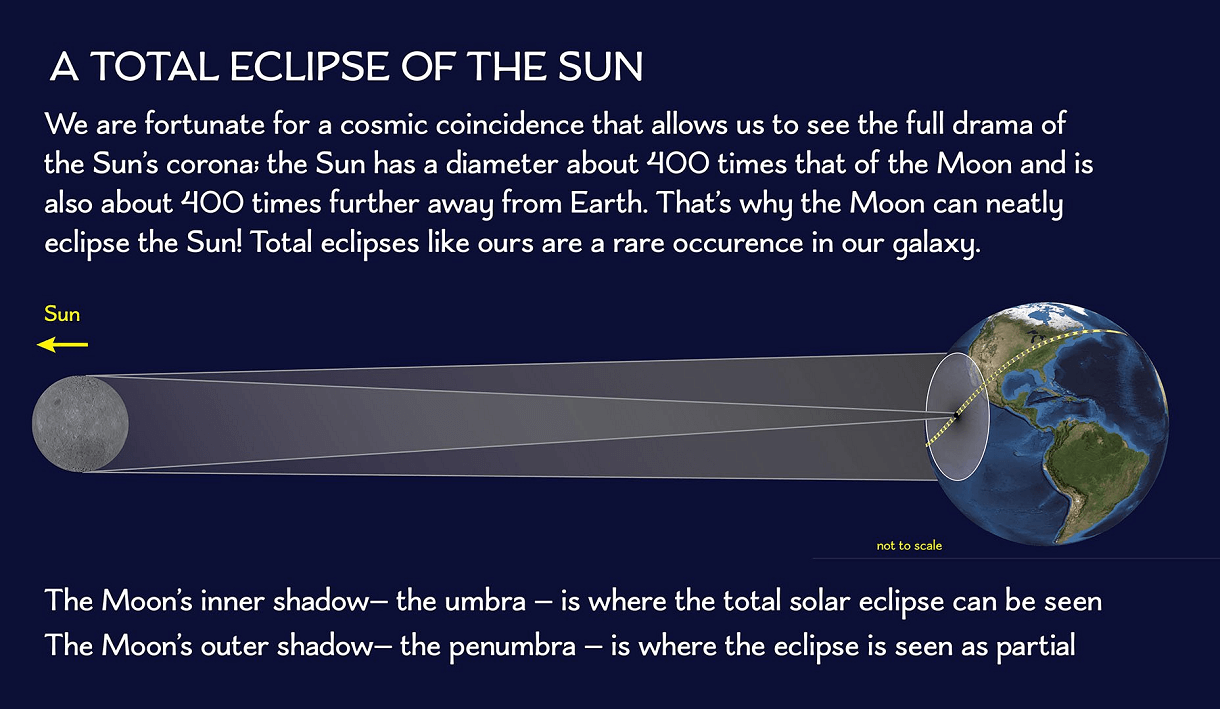
The Total Solar Eclipse of 2026 is governed by the delicate celestial mechanics of the Earth-Moon-Sun system. A total solar eclipse occurs when the Moon passes directly between the Earth and the Sun, entirely obscuring the solar disk for viewers situated within the Moon’s inner shadow, known as the umbra.
Key Event Metrics:
- Date: August 12, 2026
- Path of Totality: Greenland, Iceland, and Spain (with initial trajectories starting at sunrise in northern Siberia and concluding near sunset in the Mediterranean).
- Maximum Duration of Totality: Up to 2 minutes and 18 seconds.
- Last Continental European Eclipse: August 11, 1999.
- Unique Feature: Coincides with the peak of the Perseid meteor shower, offering observers the surreal opportunity to spot shooting stars during daytime totality.
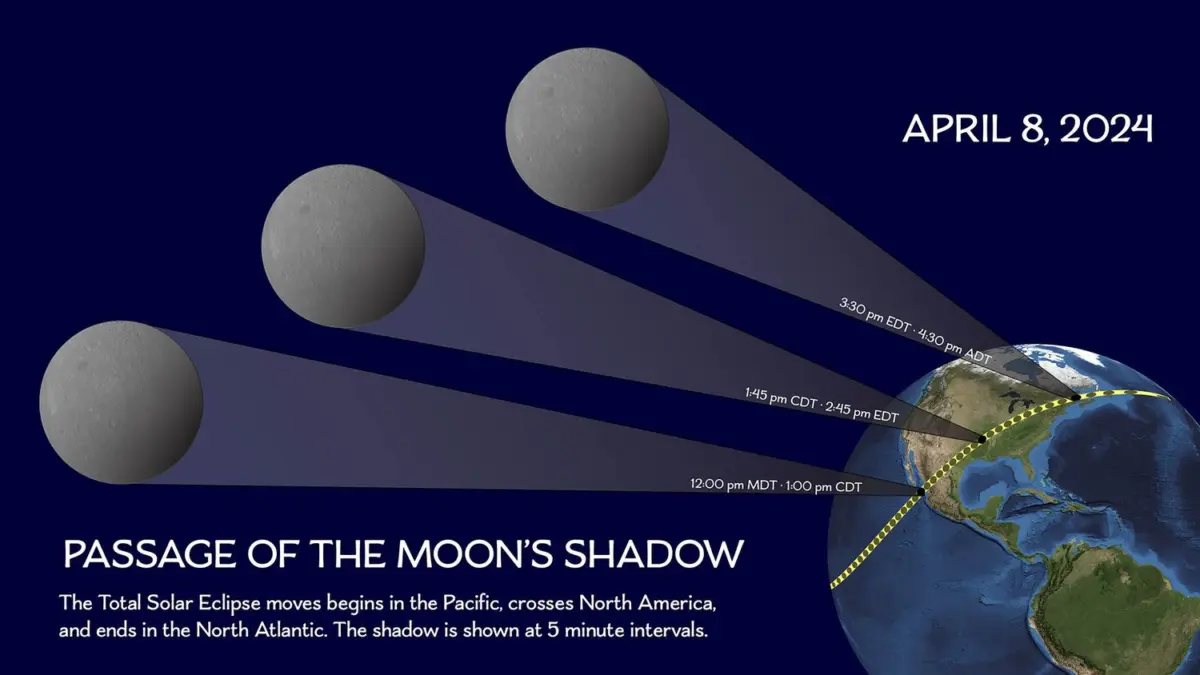
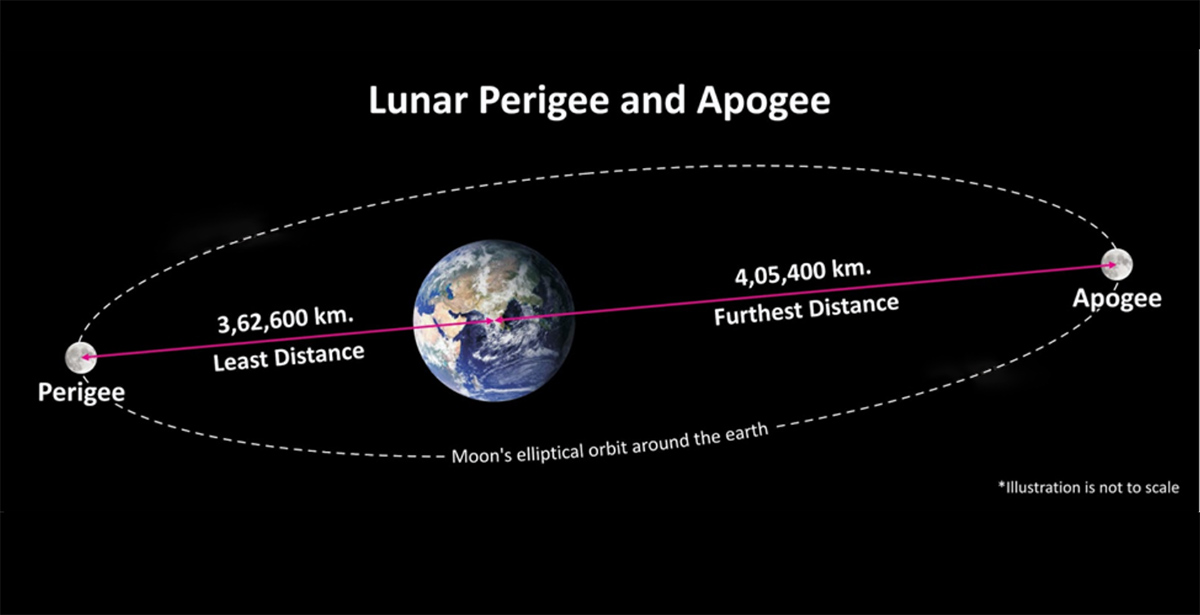
Because the Moon travels in an elliptical orbit rather than a perfect circle, its distance from Earth varies between perigee (closest point, associated with Supermoons) and apogee (farthest point). On August 12, the geometry aligns perfectly to cast an umbral shadow roughly 165 miles (267 kilometers) wide, racing across the globe at supersonic speeds.
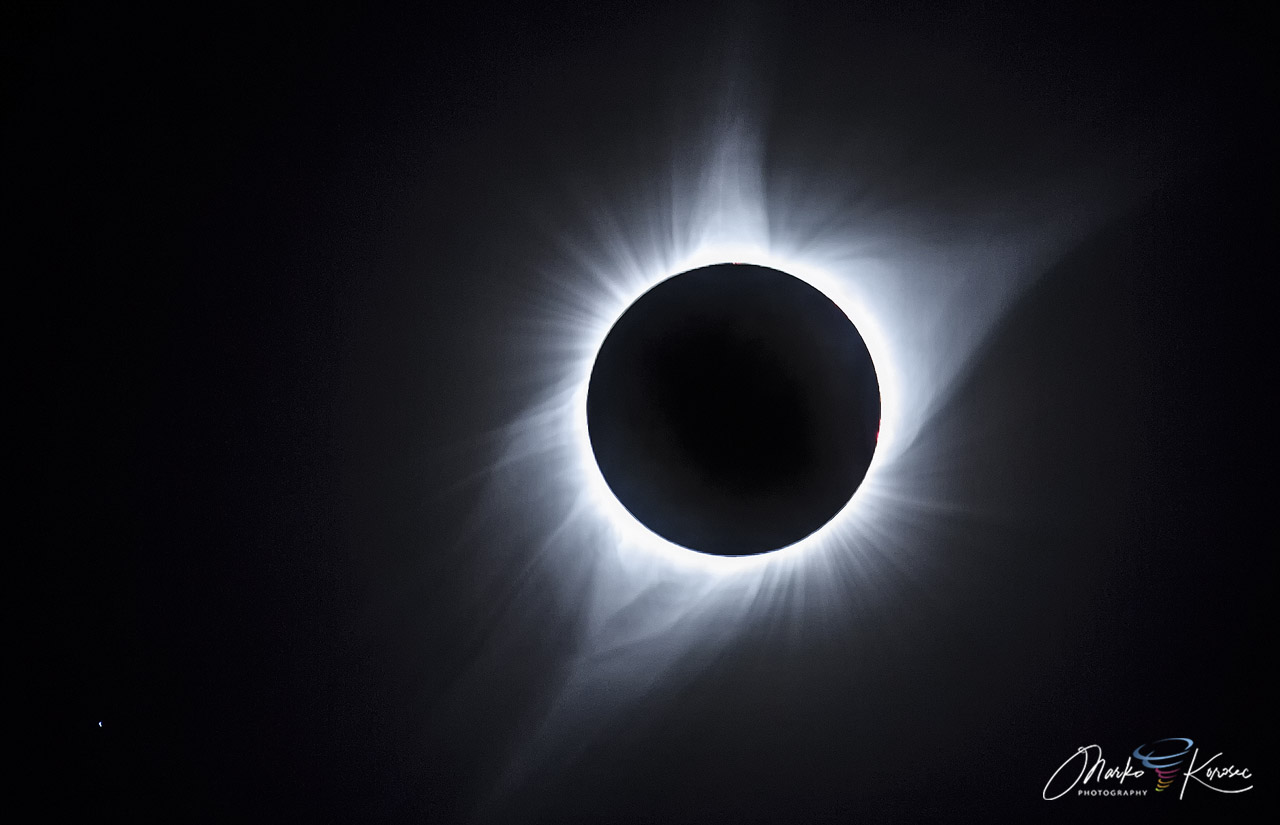
Outside this narrow corridor of totality, millions of people across a broader geographical swath will witness a partial eclipse, where the Moon takes a substantial "bite" out of the solar disk. However, scientists and astronomy enthusiasts emphasize that only those within the path of totality will experience the dramatic temperature drops, the sudden twilight, and the breathtaking reveal of the Sun’s outer atmosphere: the corona.
Chronology: The Trajectory of the Moon’s Shadow
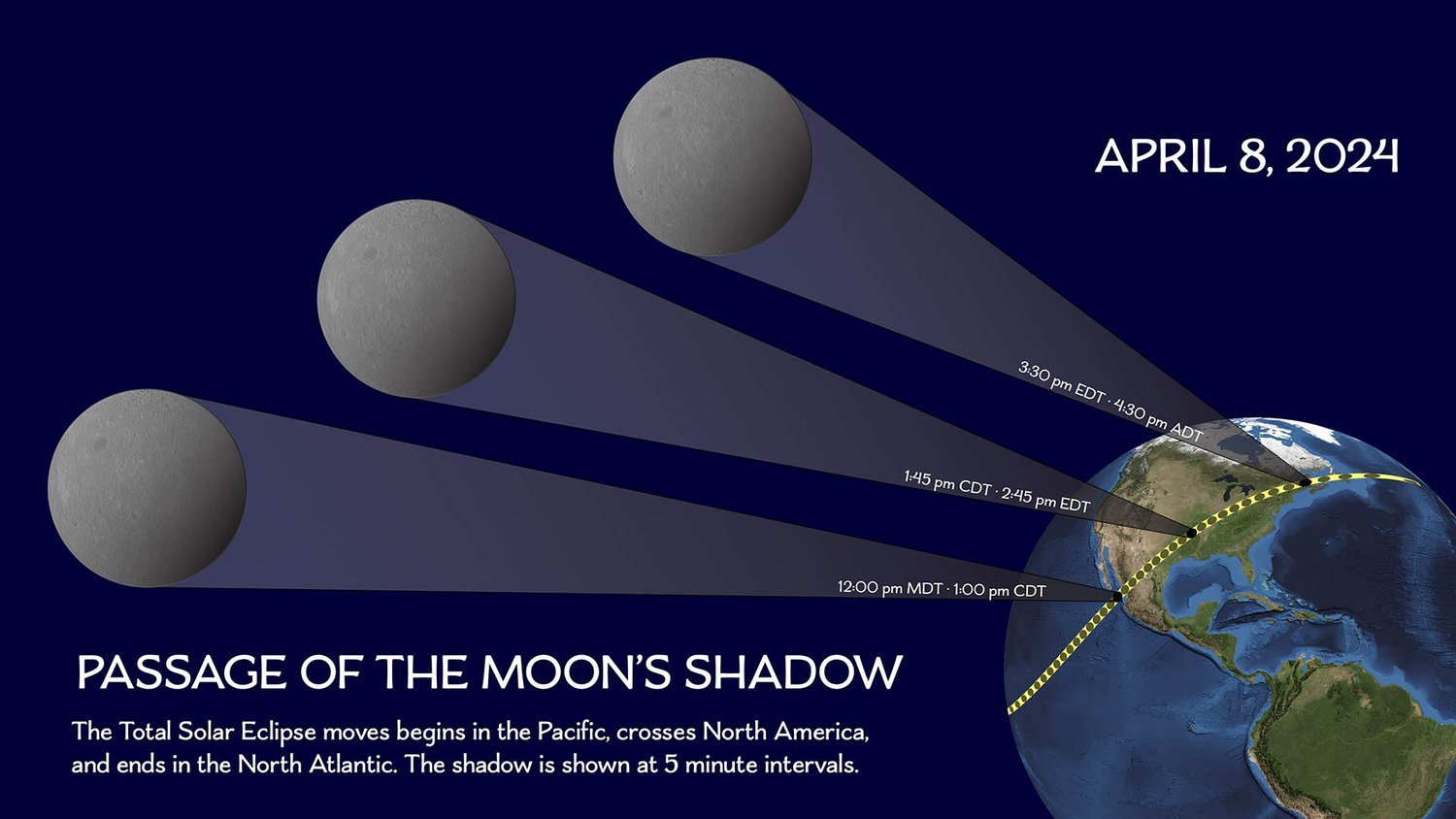
The eclipse’s global journey is a masterclass in cosmic timing, tracking a north-to-south path across some of the most dramatic landscapes in the Northern Hemisphere.
1. The Arctic and Russia
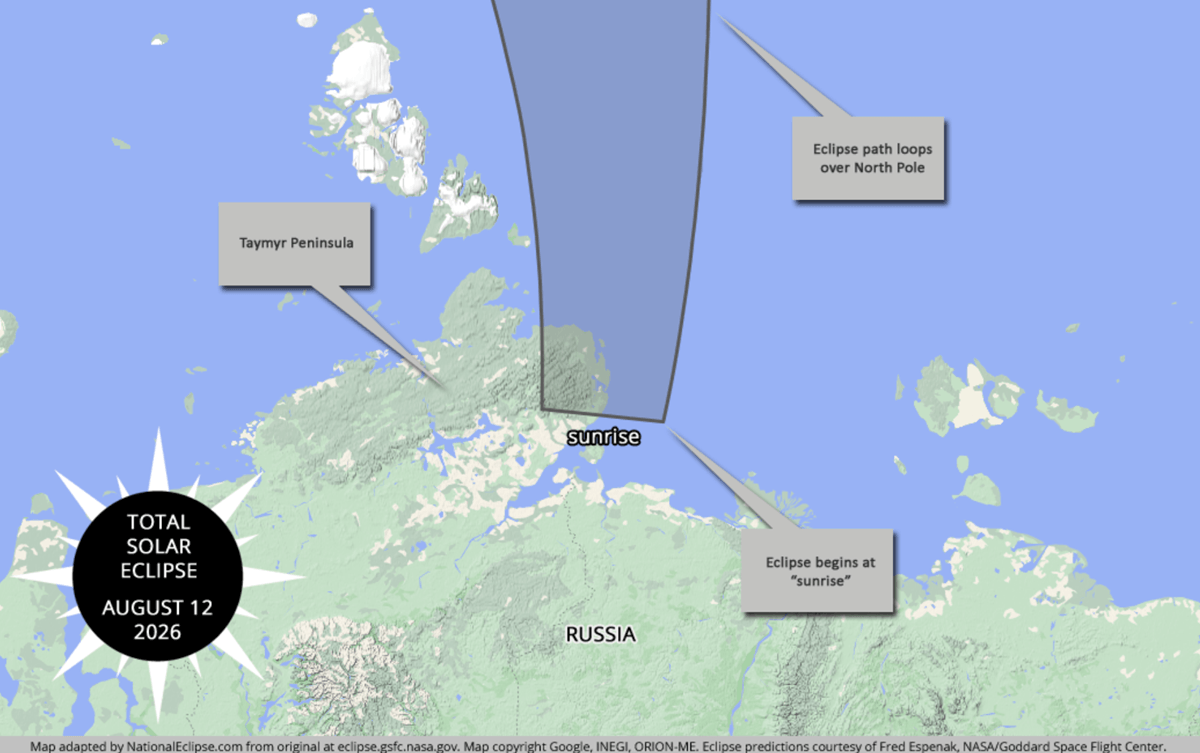
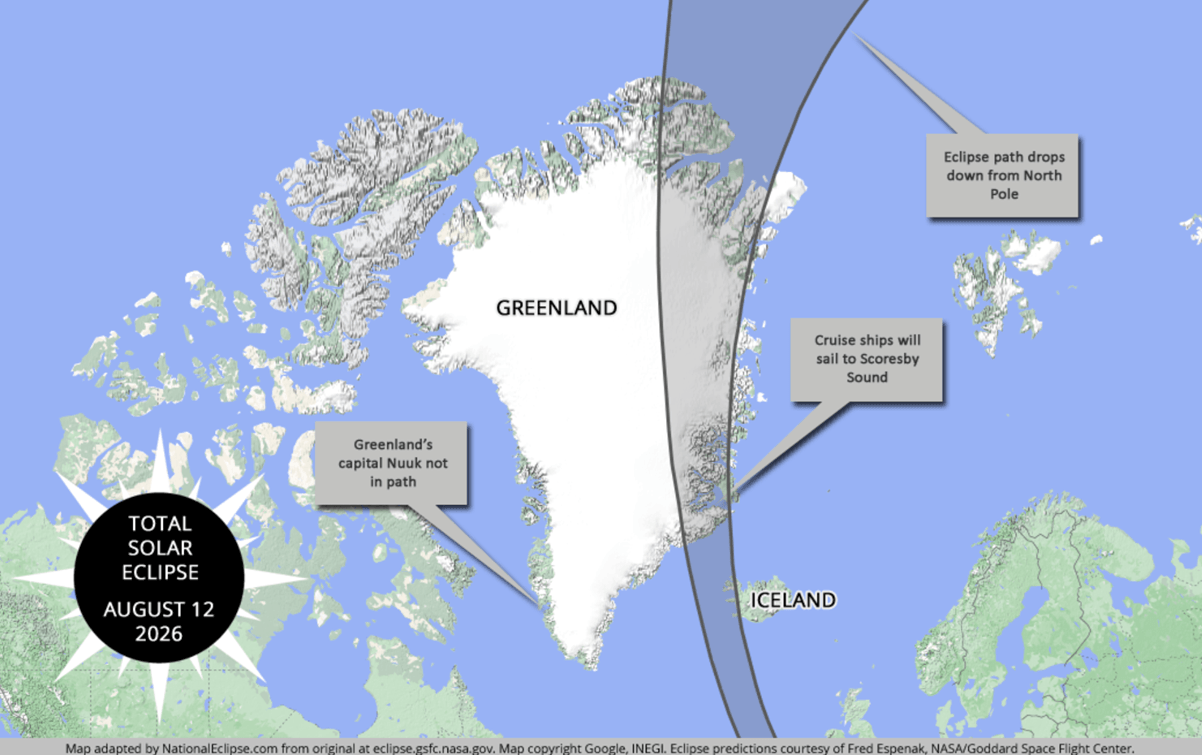
The astronomical trajectory initiates at sunrise in northern Siberia, where early morning totality begins around 02:02 AM local time, lasting approximately 1 minute and 35 seconds. The shadow then sweeps northward across the Arctic Ocean and the region of the North Pole before descending southward toward the massive ice sheets of Greenland.
2. Greenland
In northeastern Greenland, totality kicks off at 16:14 local time, shifting to 16:38 in the southeast. Due to Greenland’s unique geography, most permanent settlements are located along the western coast and will miss the absolute center of the path. However, specialized Arctic cruise ships are already heavily booked, positioning tourists and researchers along the southeastern glaciers to capture durations ranging from 2 minutes and 8 seconds in the north to 2 minutes and 17 seconds in the south.
3. Iceland
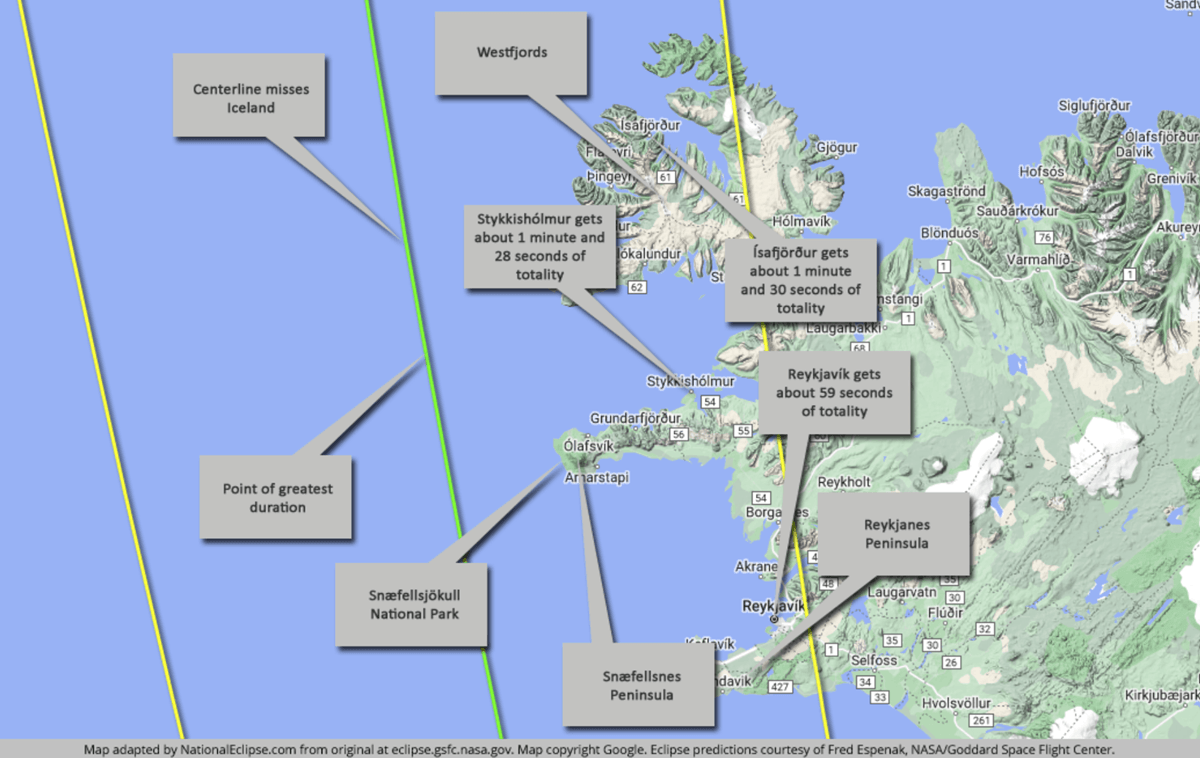
As the lunar shadow races across the Atlantic, it makes landfall in Iceland, sweeping over the rugged Westfjords and tracking south toward the capital city of Reykjavik.
- Partial Eclipse Begins: ~16:43 local time (four minutes later in Reykjavik).
- Totality Begins: 17:44 in the Westfjords; 17:48 in Reykjavik.
- Duration: Approximately 1 minute and 30 seconds in the Westfjords, and 59 seconds in Reykjavik, with the broader partial phase lasting roughly two hours.
4. Spain and the Mediterranean
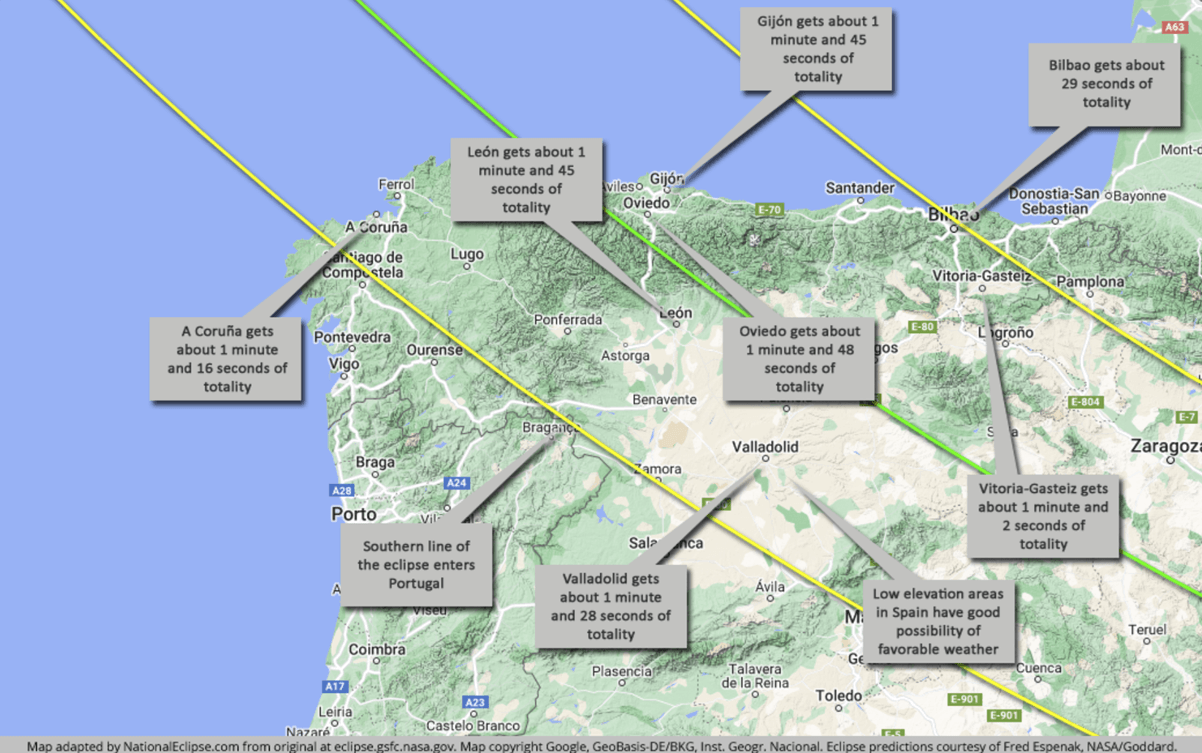
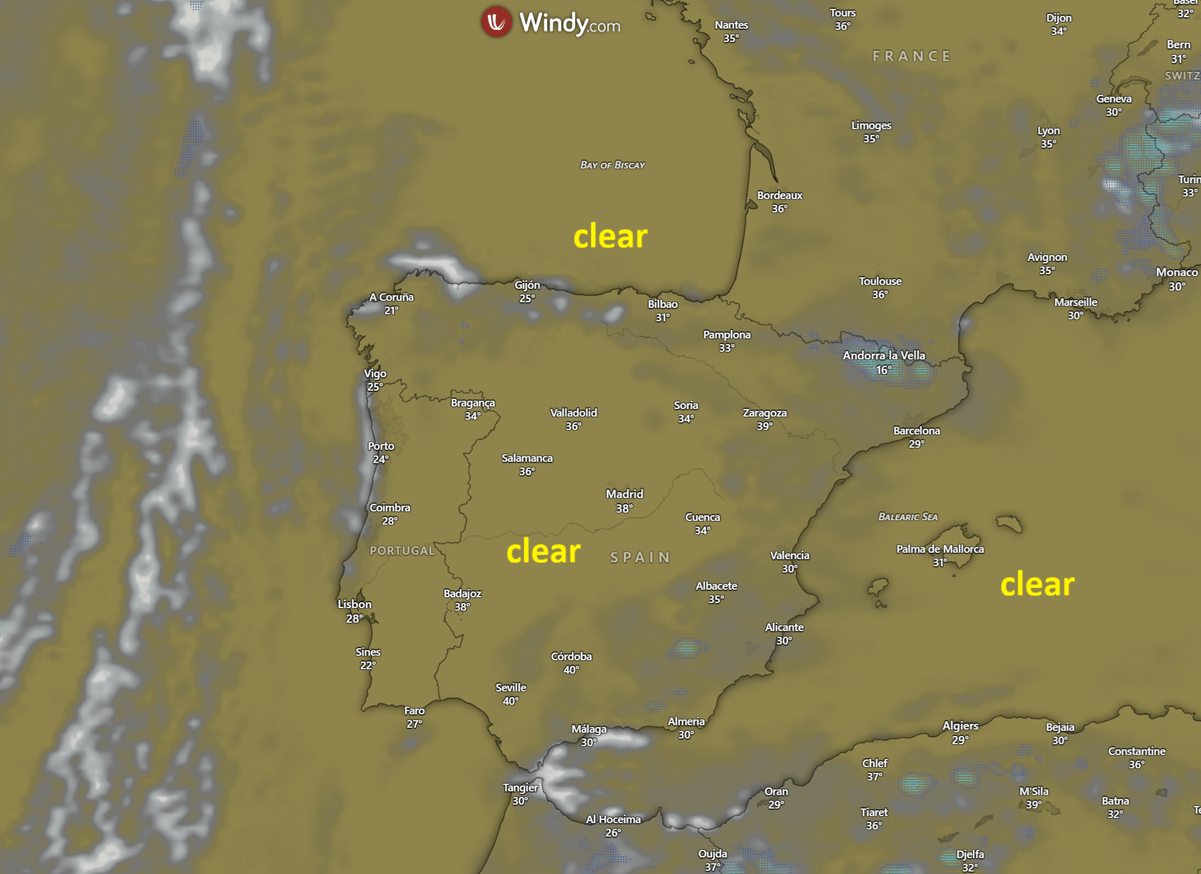
The grand finale of the eclipse’s journey unfolds over Spain as the sun dips lower toward the western horizon. First contact (the beginning of the partial eclipse) occurs at approximately 19:30 CEST. Totality hits the northern and eastern regions of the country at 20:26 CEST, plunging major metropolitan areas and tourist hubs—including A Coruña, Zaragoza, and Palma de Mallorca—into sudden twilight just before sunset. Totality over mainland Spain will last about 1 minute and 45 seconds, shortening slightly to 1 minute and 36 seconds as the shadow exits over the Balearic Islands into the Mediterranean Sea.
Supporting Data: Meteorological Outlook and Viewing Conditions
Even the most precisely calculated astronomical alignment can be foiled by a thick layer of clouds. Consequently, meteorological agencies and climatologists have spent months analyzing historical weather patterns to help travelers choose the best viewing spots.
Spain: Excellent Prospects
For observers stationed in Spain, the weather forecast leans heavily in favor of success. August in the Iberian Peninsula is characterized by hot, dry summer air masses and characteristically low cloud cover. While minor, thin cloud formations may drift across eastern Spain during the late afternoon, overall meteorological model guidance suggests "good to excellent" observation conditions. Millions are expected to crowd city parks, coastal promenades, and rural hilltops, prompting local authorities to issue logistical advisories regarding traffic management.
Iceland: A Weather Gamble
Conversely, observers in Iceland face a more volatile meteorological dice roll. Dominated by frequent North Atlantic depressions during the late summer, much of the country—including the capital region—runs a higher risk of heavy cloud cover. Nevertheless, climatological data indicates that prevailing southeast winds could induce downslope drying effects in the Westfjords, potentially tearing open fortunate breaks in the clouds right as the shadow arrives.
Official Responses and Municipal Preparations
With millions of domestic and international tourists expected to descend upon the narrow tracks of totality in Spain and Iceland, municipal governments, emergency services, and astronomical societies have mobilized extensive preparatory campaigns.
In Spain, regional governments in regions such as Galicia, Aragon, and the Balearic Islands are collaborating with civil protection units to manage anticipated infrastructure strains. Transport hubs are bracing for heavy congestion on major highways and rural access roads leading to prime viewing platforms. Public safety announcements have emphasized designated parking zones, wildfire prevention (given the dry August heat), and crowd control measures in historic city centers.
Concurrently, educational institutions and public health ministries across Europe have launched public awareness campaigns regarding eye safety. Because the Sun remains dangerously bright throughout the partial phases of the eclipse, health officials are distributing guidelines on certified ISO 12312-2 compliant solar viewing glasses to prevent permanent retinal damage. Authorities have issued strict warnings against attempting to view the partially eclipsed Sun through unfiltered cameras, binoculars, or telescopes, which can instantly magnify solar radiation and cause catastrophic eye injury.
Implications: Scientific Opportunities and Cultural Resonance
Beyond the undeniable visual awe, total solar eclipses represent rare, invaluable laboratories for heliophysicists.
Unlocking the Secrets of the Corona
When the Moon completely blocks the dazzling face of the photosphere, the solar corona—the outermost atmosphere of the Sun—flares into view. Normally invisible due to the overwhelming glare of the solar disk, the corona plays a vital role in driving "space weather," including solar wind and coronal mass ejections that can disrupt satellite communications, GPS networks, and terrestrial power grids on Earth. Researchers utilize these precious minutes of totality to capture high-resolution imagery and spectroscopic data that cannot be replicated by artificial coronagraphs on the ground.
A Rare Celestial Bonus: The Perseids
The 2026 eclipse carries an added layer of scientific and cultural intrigue: its rare temporal coincidence with the Perseid meteor shower. Typically, shooting stars associated with the Perseids are drowned out by daytime sunlight. However, the sudden plunge into twilight during the eclipse’s totality may dim the sky sufficiently to reveal bright meteors streaking across the daytime firmament, creating a hybrid cosmic spectacle that few living humans have ever witnessed.
A Fading Epoch in Earth’s History
From a long-term cosmological perspective, events like the 2026 eclipse serve as a humbling reminder of our dynamic solar system. Because the Moon is gradually spiraling away from Earth at a rate of approximately 3.8 centimeters per year, its apparent size in the sky is slowly diminishing. Roughly 600 million years from now, the Moon will no longer be large enough to completely cover the solar disk, rendering total solar eclipses an extinct phenomenon on Earth.
For the generation alive today, the August 12, 2026 eclipse is far more than a fleeting shadow; it is a profound connection to the cosmos—a reminder of the intricate clockwork of our universe, and a deeply emotional experience that leaves an indelible mark on all fortunate enough to stand within its path.
