

By Automotive Technology & Policy Desk
Published: September 2026
Introduction: The Anatomy of an EV Fire Headline
In the modern automotive media landscape, few triggers capture public attention quite like the word “fire” associated with an electric vehicle (EV). Time and time again, isolated thermal events in battery-electric vehicles command front-page visibility, triggering widespread public anxiety and regulatory scrutiny. Yet, this intense spotlight frequently obscures statistical reality. While legacy internal combustion engine (ICE) vehicles experience roughly 200,000 fires annually in the United States alone—catching fire at a drastically higher statistical rate than EVs—media coverage often focuses disproportionately on anomalous, single-digit incidents involving battery-powered transport.
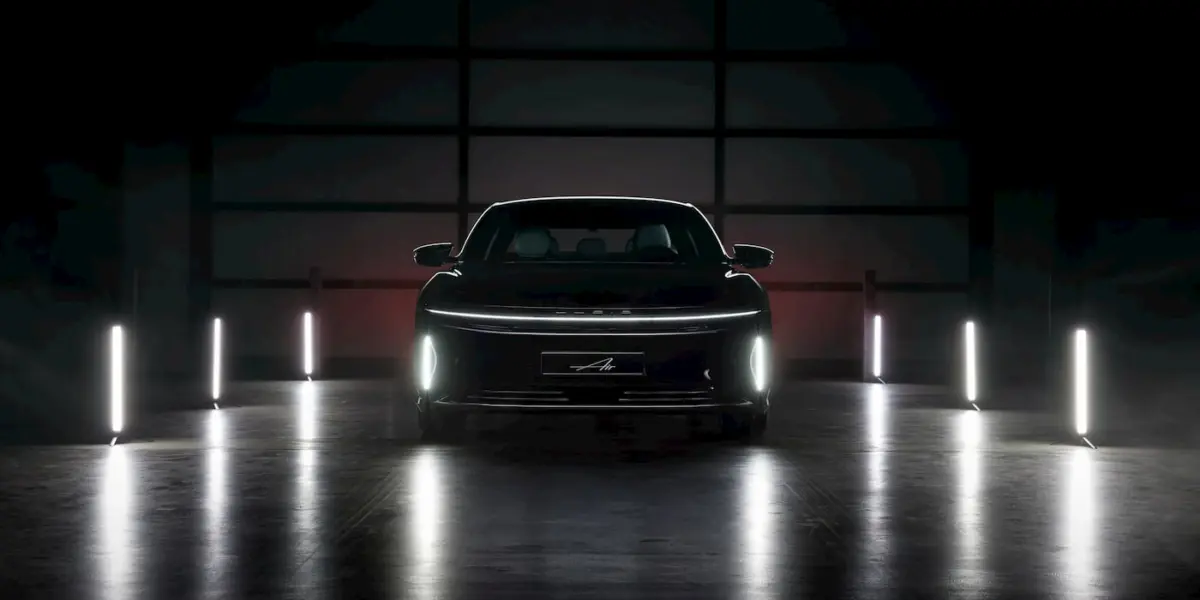
This well-documented phenomenon was demonstrated once more when luxury EV manufacturer Lucid Motors faced a wave of dramatic headlines regarding a regulatory recall. The notice, labeled a "Fire Risk Warning" by safety authorities, encompassed 27,185 Lucid Air luxury sedans spanning the 2002 through 2006 model years. Accompanying the formal filing was the standard, cautionary advice typically reserved for severe structural or thermal runaway issues: owners were advised to park their vehicles outside until the remedy could be applied.
To the casual observer consuming mainstream news, the narrative was clear: Lucid vehicles posed an active, ominous fire hazard, requiring drastic caution around modern, high-tech engineering. However, a deeper examination of the engineering reality reveals a starkly different picture. The underlying problem had nothing to do with high-voltage traction batteries, thermal runaway, or catastrophic power-plant failures. Instead, the issue stemmed from a low-voltage electronic fuse controlling exterior LED lighting—a glitch that had already been neutralized for the vast majority of the fleet via an Over-The-Air (OTA) software update deployed months prior.
Main Facts
What Caused the Recall?
The core of the National Highway Traffic Safety Administration (NHTSA) recall—tracked under filing reference 26V-540—involves a specific vulnerability within the low-voltage electrical architecture of Lucid Air models manufactured between 2022 and 2026.
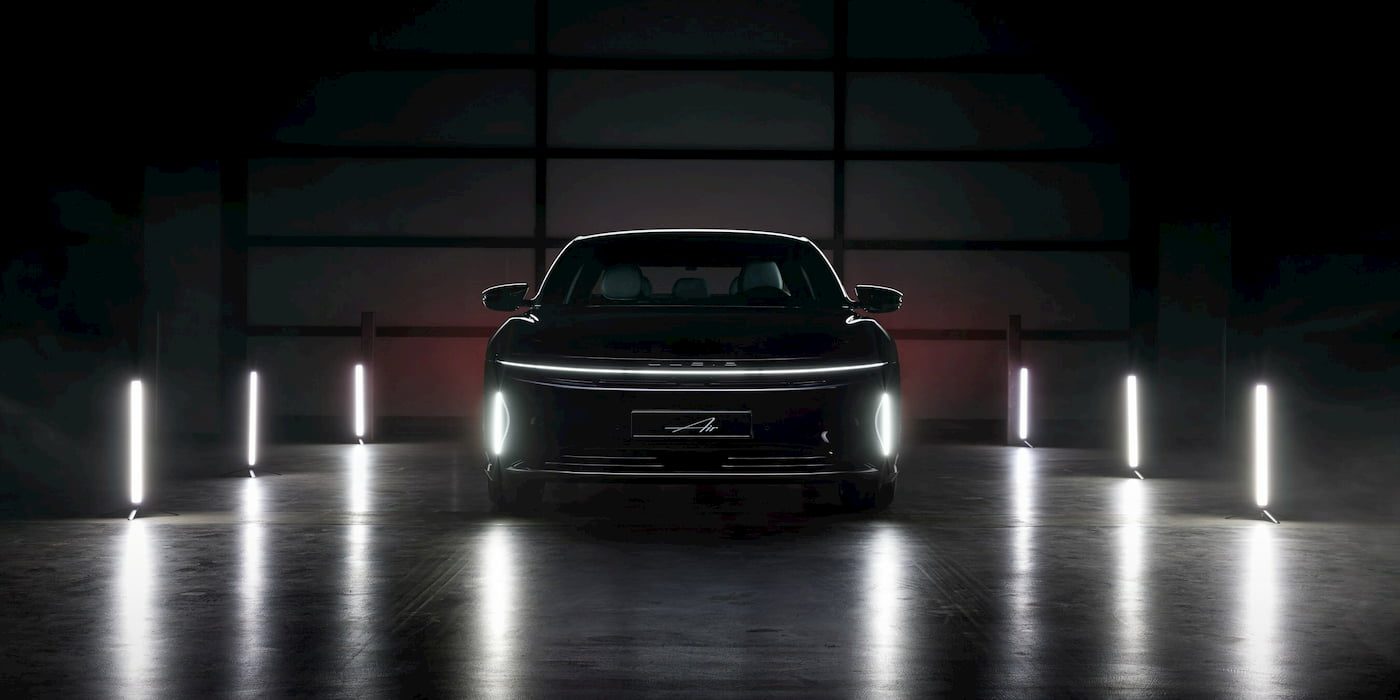
Specifically, the software governing the vehicle’s low-voltage exterior lighting system failed to provide adequate protection against overcurrent situations. Under rare operational circumstances, excessive current could be delivered to the exterior Light Emitting Diodes (LEDs). This unchecked electrical surge caused thermal overload, leading to potential smoldering, smoke emission, or, in the most extreme edge cases, localized thermal damage resembling a minor fire.
The "eFuse" Architecture
Crucially, the circuitry governing these exterior lights relies not on a traditional, disposable metal-strip automotive fuse, but rather on an advanced solid-state electronic fuse, commonly referred to as an "eFuse."
Unlike legacy fuses that melt and permanently break a circuit when overloaded, an eFuse is monitored, regulated, and managed entirely by software. This design philosophy is a hallmark of modern Software-Defined Vehicles (SDVs). Because the eFuse’s parameters are dictated by code, engineers do not need to physically tear apart dashboards or replace under-hood hardware components to alter how current is distributed. Instead, the threshold limits, fault-handling protocols, and amperage parameters can be rewritten via a digital firmware patch. Consequently, the remedy required no physical workshop appointments for the vast majority of owners, bypassing the traditional friction points of automotive recalls.
Chronology of Events
To understand how a minor low-voltage software bug culminated in a sweeping federal recall notice, it is necessary to examine the timeline of incidents, engineering discoveries, and software deployments.
- 2022 – March 2025 (The Incidents): Over a three-year operational window encompassing the early deployment of the Lucid Air fleet, the manufacturer logged a small cluster of anomalies related to front lighting. Lucid identified a total of three isolated fire events linked to the front lighting circuits, with the final documented occurrence happening in March 2025. Additionally, the automaker recorded four separate smoke-related events over the preceding twelve months, alongside 33 warranty claims pointing toward localized wiring harness degradation or thermal stress near lighting modules.
- July 2025 (The Software Remedy): Recognizing the root cause of the overcurrent vulnerability, Lucid’s engineering teams developed and released software version 2.10.0. Deployed globally in July, this update fundamentally changed how the vehicle manages exterior lighting circuits. The new code successfully reduced the maximum amperage delivered to the circuits and introduced a failsafe mechanism: if a circuit fault is detected, the software ceases its automated attempts to continually re-energize the light, thereby eliminating the cycle of sustained overheating.
- August 20, 2025 (Fleet Adoption Milestone): By late August, the efficacy of the OTA deployment became clear. Out of the 27,185 vehicles ultimately flagged in the formal recall, a staggering 20,719 units had already received software version 2.10.0 automatically via the cloud before any regulatory mandate was officially published. Only 6,466 vehicles remained on older software iterations requiring the update.
- September 2026 (The Formal Recall Filing): Despite the issue being largely mitigated months prior, federal regulatory procedures required the formal issuance of an NHTSA recall and safety bulletin, complete with standard advisory language instructing owners to park outside until the software patch was verified. Official owner notification letters via postal mail were scheduled to hit mailboxes in October 2026—long after the actual technical fix had already been beamed into the vast majority of the cars.
Supporting Data & Fleet Statistics
When parsing automotive safety data, context is essential. The numerical breakdown of the Lucid Air recall reveals a wide gap between regulatory caution and real-world risk:
| Metric | Figure | Context |
|---|---|---|
| Total Vehicles Recalled | 27,185 | Covers model years 2022 through 2026 Lucid Air sedans. |
| Vehicles Updated Prior to Notice | 20,719 | Successfully patched via OTA updates as of August 20. |
| Vehicles Pending Update | 6,466 | Remaining units requiring internet connectivity or manual installation. |
| Confirmed Fire Events (3 Years) | 3 | Total localized thermal events tied to front lighting over a multi-year period. |
| Reported Smoke Events (1 Year) | 4 | Minor smoking incidents recorded within the preceding 12 months. |
| Related Warranty Claims | 33 | Incidents involving wiring harness damage linked to the lighting circuit. |
These figures highlight an important reality: while any electrical anomaly involving smoke or fire demands rigorous engineering attention, the actual failure rate within the fleet of over 27,000 vehicles was statistically minute. Out of thousands of cars on the road over a multi-year period, only a handful of physical thermal incidents materialized, all of which were confined to low-voltage auxiliary lighting components rather than the vehicle’s high-voltage energy storage system.
Official Responses and Regulatory Language
The friction between modern software-driven engineering and legacy regulatory frameworks is vividly illustrated by this recall.

From a federal compliance standpoint, safety agencies like the NHTSA operate under strict legal mandates. If an automotive component exhibits a defect that could theoretically result in a thermal event—regardless of whether it involves a high-voltage lithium-ion pack or a low-voltage reading light—the manufacturer is legally obligated to issue a formal safety recall. Furthermore, standard legal boilerplate requires the inclusion of cautionary language, such as advising owners to park their vehicles outdoors until the recall remedy is officially confirmed as completed.
However, this mandatory language often creates a disconnect in public perception. To an average owner receiving a recall notice warning of a "Fire Risk" and advising outdoor parking, the mental imagery immediately shifts to catastrophic battery fires popularized by sensationalized media coverage.
Lucid Motors, in its communications with regulators and consumers, emphasized the nuanced nature of the bug. By deploying version 2.10.0, the company effectively decoupled the fix from traditional logistics. Rather than requiring owners to schedule service center appointments, wait for physical replacement parts, and surrender their vehicles for days, Lucid leveraged its connected vehicle architecture to resolve the issue while vehicles sat in owners’ garages overnight.
Industry analysts have pointed out that while the recall highlights the incredible utility of OTA updates, it also underscores the communication challenge facing EV startups: bridging the gap between archaic regulatory terminology designed for mechanical carburetors and the fluid reality of modern software-defined mobility.
Broader Implications: The Era of the Software-Defined Vehicle
The Lucid Air lighting recall serves as a fascinating case study for the automotive industry’s ongoing transition toward Software-Defined Vehicles (SDVs). This event brings two competing philosophical viewpoints to the forefront of modern engineering debates:
1. The Triumph of Over-The-Air Remediation
On one hand, the incident stands as a shining example of the benefits of modern vehicle architecture. In the era of legacy internal combustion vehicles, a systemic electrical fault of this nature would trigger a massive, expensive logistical nightmare. Automakers would be forced to mail millions of letters, manufacture physical replacement fuses or wiring harnesses, ship them to dealerships, and burden consumers with the inconvenience of scheduling service visits.

With the Lucid Air, the physical friction was reduced to absolute zero for nearly 76% of the affected fleet before the paperwork even cleared government desks. Engineers diagnosed the fault, adjusted current thresholds, rewrote the logic governing the eFuse, and pushed the solution through the ether. For consumers, the car literally fixed itself overnight while connected to home Wi-Fi. This capability represents a monumental leap in operational efficiency and environmental resource conservation.
2. The Pitfalls of "Move Fast and Break Things"
Conversely, the recall reignites a critical conversation regarding software quality control in automotive manufacturing. Critics argue that as vehicles increasingly mirror consumer electronics, software developers and automakers may feel emboldened to push complex code into production environments with less rigorous, bulletproof pre-testing, relying on the safety net of future OTA updates to catch mistakes after the fact.
While a faulty line of code causing an exterior LED overcurrent is relatively benign, the same philosophy applied to autonomy, braking algorithms, or high-voltage power management carries significantly higher stakes. The automotive industry is historically bound by a zero-failure mindset—a culture where mechanical components are engineered to withstand extreme worst-case scenarios for decades without digital patches. Marrying Silicon Valley’s rapid-iteration software culture with Detroit’s traditional safety-first engineering rigor remains one of the defining challenges of the modern EV transition.
A Matter of Perspective
It is also worth noting that software glitches requiring digital patches are hardly unique to modern EV pure-plays. Traditional legacy automakers have spent decades dealing with embarrassing, dangerous mechanical oversights—such as General Motors’ infamous ignition switch recalls, where faulty physical components were knowingly kicked down the road for years, resulting in tragic loss of life before corporate action was taken.
Against that historical backdrop, a software patch deployed silently via the cloud to regulate low-voltage LED circuits looks less like an existential crisis and more like a routine maintenance event in an increasingly digital world.
Ultimately, the takeaway for Lucid Air owners is straightforward: rather than panicking over dramatic headlines or worrying about parking outside, checking the vehicle’s software version to ensure it is running version 2.10.0 or later neutralizes the issue entirely. As the automotive landscape continues its digital transformation, consumers and media alike would do well to look past sensationalized buzzwords and evaluate technical recalls through a lens of engineering reality, statistical context, and modern problem-solving capabilities.
