

By Financial & Industry News Desk
Published: October 2026
Main Facts
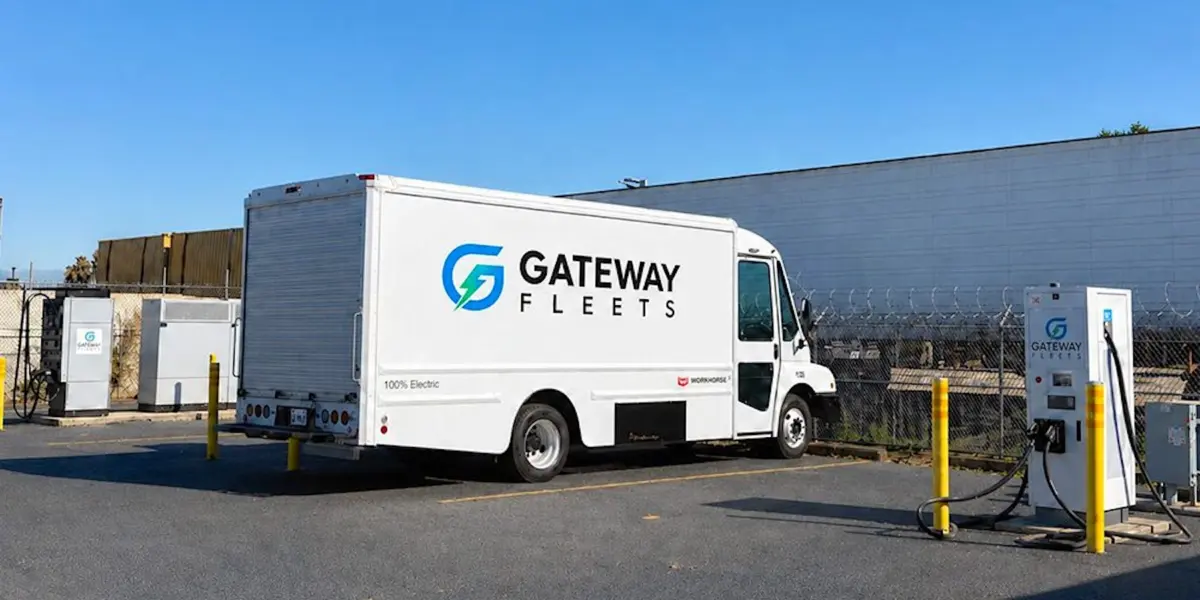
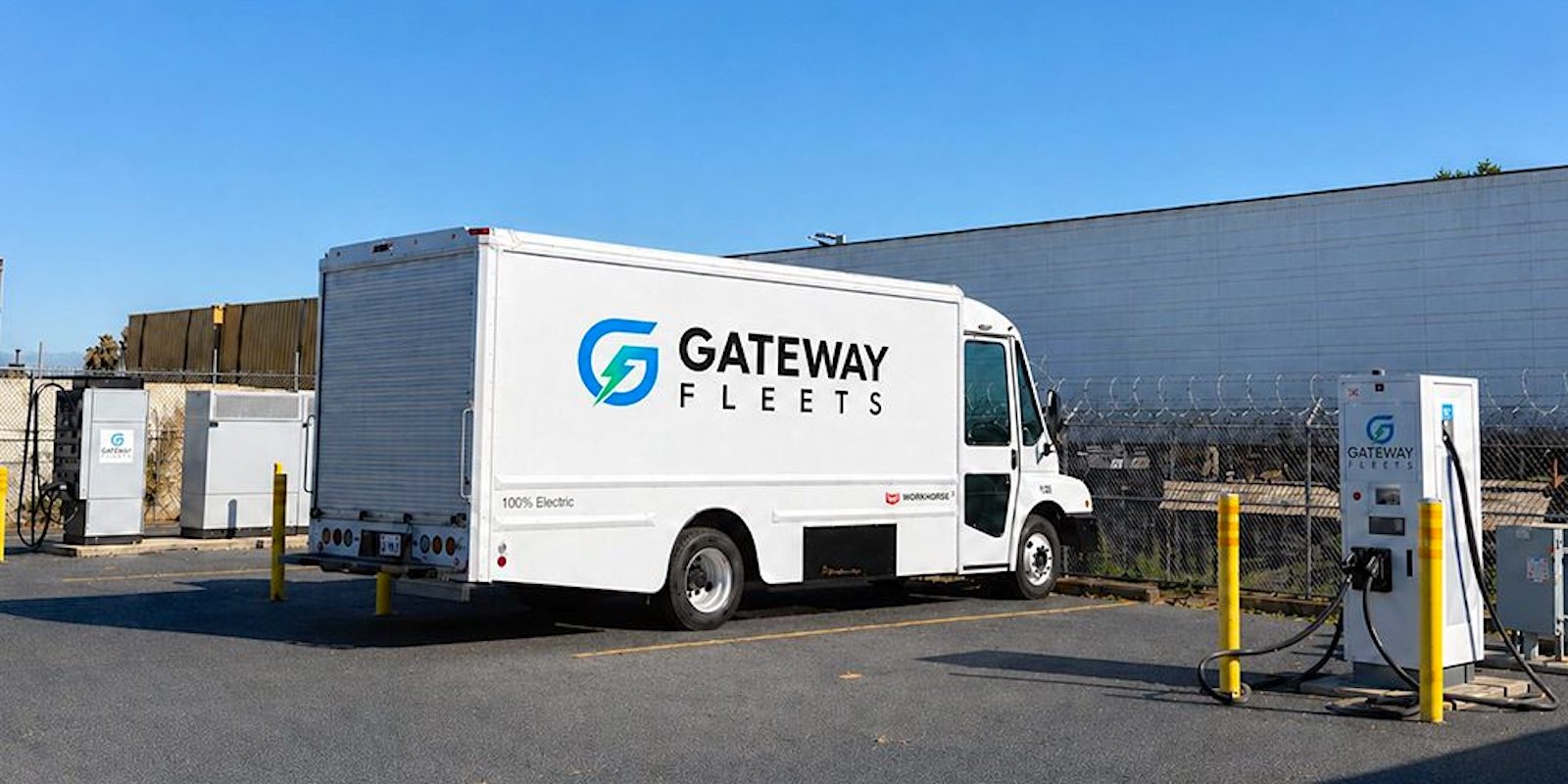
The commercial electric vehicle (EV) landscape is experiencing a significant acceleration in the last-mile delivery sector. Commercial delivery operator Gateway Fleets has officially committed to scaling up its sustainable logistics footprint by placing a major order for 200 additional W56 medium-duty electric step vans from North American EV manufacturer Workhorse.
This multi-unit expansion follows an initial trial order of 100 W56 step vans placed earlier in the year. The rapid follow-up order highlights a successful initial deployment phase and points to mounting confidence in electric fleet integration among commercial operators.
The transaction is supported by California-based Kingsburg Truck Center (KTC), a prominent regional truck dealer handling logistics, consultative sales, and local incentive processing. Deliveries for this latest batch of 200 vehicles are slated to begin rolling out in the second half of 2027, with the rollout schedule extending through 2028.
By scaling up operations, Gateway Fleets aims to tackle the twin hurdles of rising fuel costs and complex depot infrastructure head-on, leveraging its innovative "truck-as-a-service" (TaaS) model to make EV adoption seamless for third-party logistics (3PL) providers.
Chronology: From Initial Experiment to Rapid Expansion
To understand the weight of this 200-unit expansion, it is helpful to look at the timeline of the partnership and the broader shifts within the last-mile delivery ecosystem:
- Early to Mid-2026: Surging, volatile fuel prices and growing environmental regulations push last-mile delivery contractors to explore alternative powertrains. During this period, Gateway Fleets steps into the market with its bundled TaaS model, bridging the gap between vehicle acquisition and depot infrastructure.
- Mid-2026: Gateway Fleets places an initial, exploratory order of 100 Workhorse W56 medium-duty electric step vans. Delivery is managed through Kingsburg Truck Center in California.
- Late 2026: Early deployment data demonstrates strong operational performance, durability, and cost savings under rigorous last-mile delivery cycles. Operators report high satisfaction with the W56 platform, validating Gateway’s business model.
- September 30, 2026: Workhorse and Gateway Fleets jointly announce a monumental expansion: a follow-up order for an additional 200 trucks, effectively tripling Gateway’s initial fleet size investment.
- Second Half of 2027 through 2028: Projected deployment window for the newly ordered 200 W56 step vans, supplying commercial delivery operators across targeted service regions.
Supporting Data: Specifications and Capabilities of the Workhorse W56
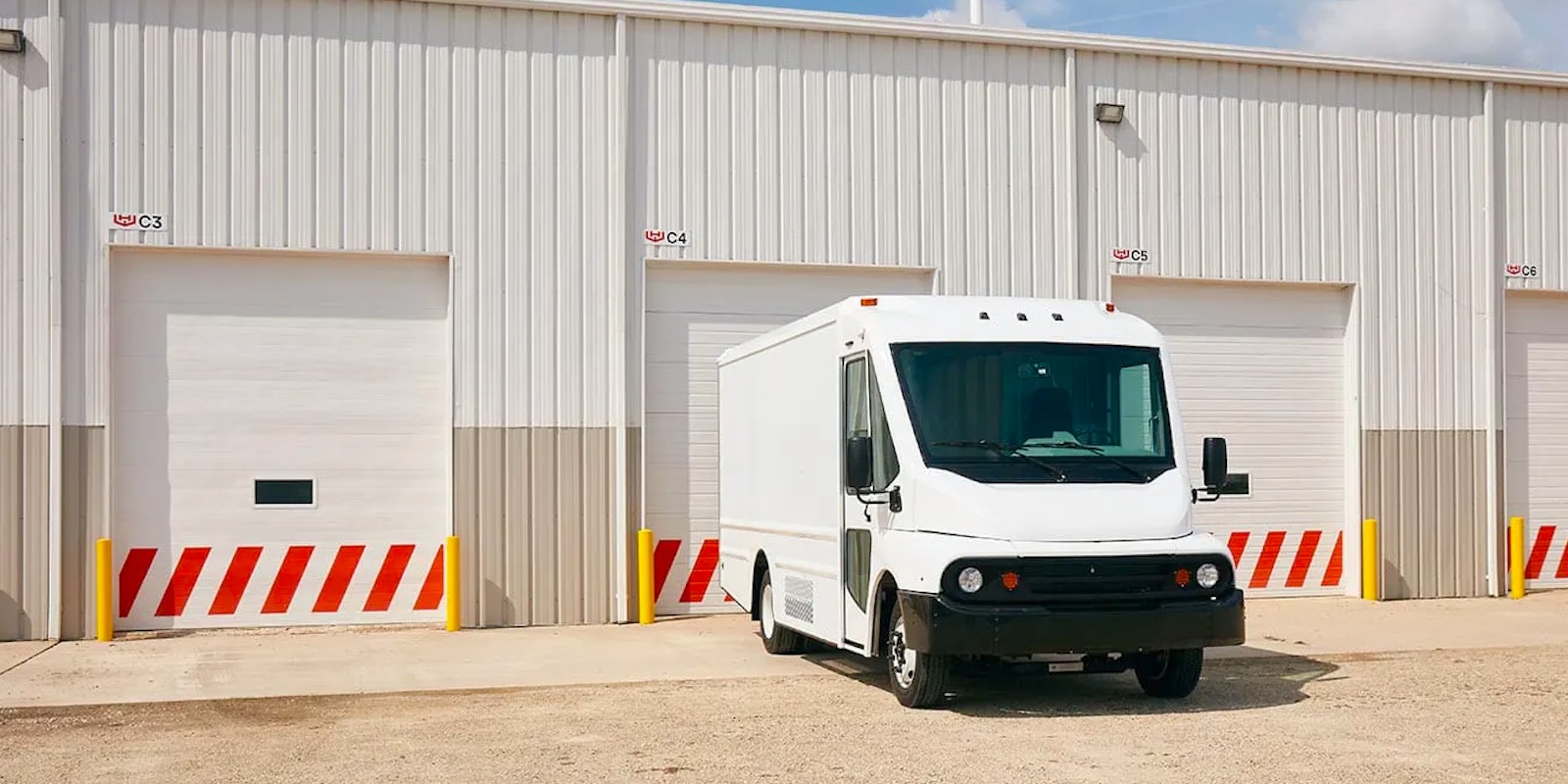
The cornerstone of this multi-million-dollar fleet expansion is the Workhorse W56 platform. Designed specifically for Class 5 and Class 6 medium-duty applications, the vehicle bridges the performance gap traditionally occupied by internal combustion engine (ICE) step vans.
Key Vehicle Specifications:
- Wheelbase: 178 inches, optimized for maneuverability in urban and suburban delivery corridors.
- Battery Capacity: 210 kWh energy storage system, engineered to deliver robust performance under heavy load conditions.
- Operational Range: Up to 150 miles per full charge, accommodating typical multi-stop daily delivery routes.
- Payload Capacity: Capable of hauling up to 10,000 lbs. of freight.
- Cargo Volume: A spacious 1,000 cubic foot box body configuration.
- Body Construction: Fully integrated, purpose-built composite body structure engineered to resist rust, dents, and dings, lowering long-term body repair overhead.
- Ergonomics: Specially designed driver environment aimed at reducing physical fatigue during high-cycle, multi-stop delivery shifts (frequent entering and exiting of the cabin).
By combining high payload thresholds with zero-emission efficiency, the W56 addresses the operational demands of high-density package delivery routes without sacrificing uptime or cargo capacity.
Official Responses and Industry Perspectives
Leadership from both manufacturing and distribution partners emphasized the strategic importance of the collaboration in overcoming traditional barriers to commercial EV adoption.
Scott Griffith, Chief Executive Officer at Workhorse, noted the profound impact of fuel volatility on fleet operators:
"In today’s era of high and volatile fuel prices, customers are seeking the stability and lower operating costs associated with electric trucks, without sacrificing safety or performance. We believe Gateway’s innovative model will help unlock wider adoption of electric trucks through its bundled pricing that eliminates the two biggest barriers to widespread adoption: the higher upfront cost of the vehicle and the added investment capital required to build out the charging infrastructure."
Jerry Smith, Owner at Kingsburg Truck Center, highlighted the synergy between the vehicle manufacturer, the service provider, and regional dealers:
"This partnership brings together three critical components of fleet electrification: a high quality, proven Workhorse truck; a deployment and service partner, Gateway; and our team at Kingsburg, providing full-circle consultative sales, incentive processing and service support. We’ve had nothing but positive feedback on the performance of the W56 this year, and we’re looking forward to an even better 2027."
Gateway Fleets operates within an elite ecosystem of Workhorse enterprise clients, which already features major supply chain and logistics entities such as Aramark, Cintas, FedEx, and Canadian shipping giant Purolator. This latest order cements Gateway’s standing as a major operational force in the commercial EV space.
Implications for the Last-Mile Delivery Market
The expansion of Gateway Fleets’ electric inventory carries several wide-ranging implications for the logistics sector, third-party operators, and the broader push toward sustainable transportation:

1. Relieving Pressure from Fossil Fuel Volatility
With global fuel prices continuously subjected to geopolitical and economic shocks, traditional last-mile delivery contractors—who operate on razor-thin margins—face immense fiscal strain. Electric step vans insulate these operators from "pain at the pump," replacing unpredictable petroleum expenditures with stable, grid-based electricity costs that can often be further offset by onsite solar generation or managed charging times.
2. Proving the "Truck-as-a-Service" (TaaS) Model
One of the primary roadblocks to fleet electrification has been the capital-intensive nature of the transition. Operators must not only purchase expensive commercial EVs but also invest heavily in depot electrical upgrades, heavy-duty chargers, and maintenance training.
Gateway Fleets’ bundled TaaS framework—which combines vehicles, charging infrastructure, fleet support, and flexible financing—serves as a blueprint for the industry. By maintaining an asset-light profile for delivery contractors, Gateway accelerates the speed at which small-to-medium logistics firms can transition away from diesel.
3. Dealer Networks as Electrification Catalysts
The active involvement of regional dealers like Kingsburg Truck Center underscores how local infrastructure must evolve. Dealers are no longer just point-of-sale locations; they are consultative partners guiding fleets through complex regional clean-air incentives, grant processing, and technical maintenance support. This localized hand-holding is vital for risk-averse logistics managers stepping into unfamiliar EV territory.
4. Setting the Standard for Urban Air Quality
As e-commerce demand continues to swell—driven by consumer appetites for rapid delivery of everything from groceries and apparel to automotive parts—urban and suburban neighborhoods bear the brunt of delivery truck emissions and noise pollution. Displacing diesel step vans with quiet, zero-emission platforms like the Workhorse W56 significantly reduces localized particulate matter and greenhouse gas emissions in densely populated areas.

Looking Ahead
As Gateway Fleets prepares to integrate these 200 new Workhorse W56 step vans over the 2027–2028 window, the industry will be watching closely. If this rapid scaling proceeds as smoothly as the initial 100-unit trial, it could serve as the definitive proof-of-concept needed to push commercial fleet electrification past the tipping point across North America.
