

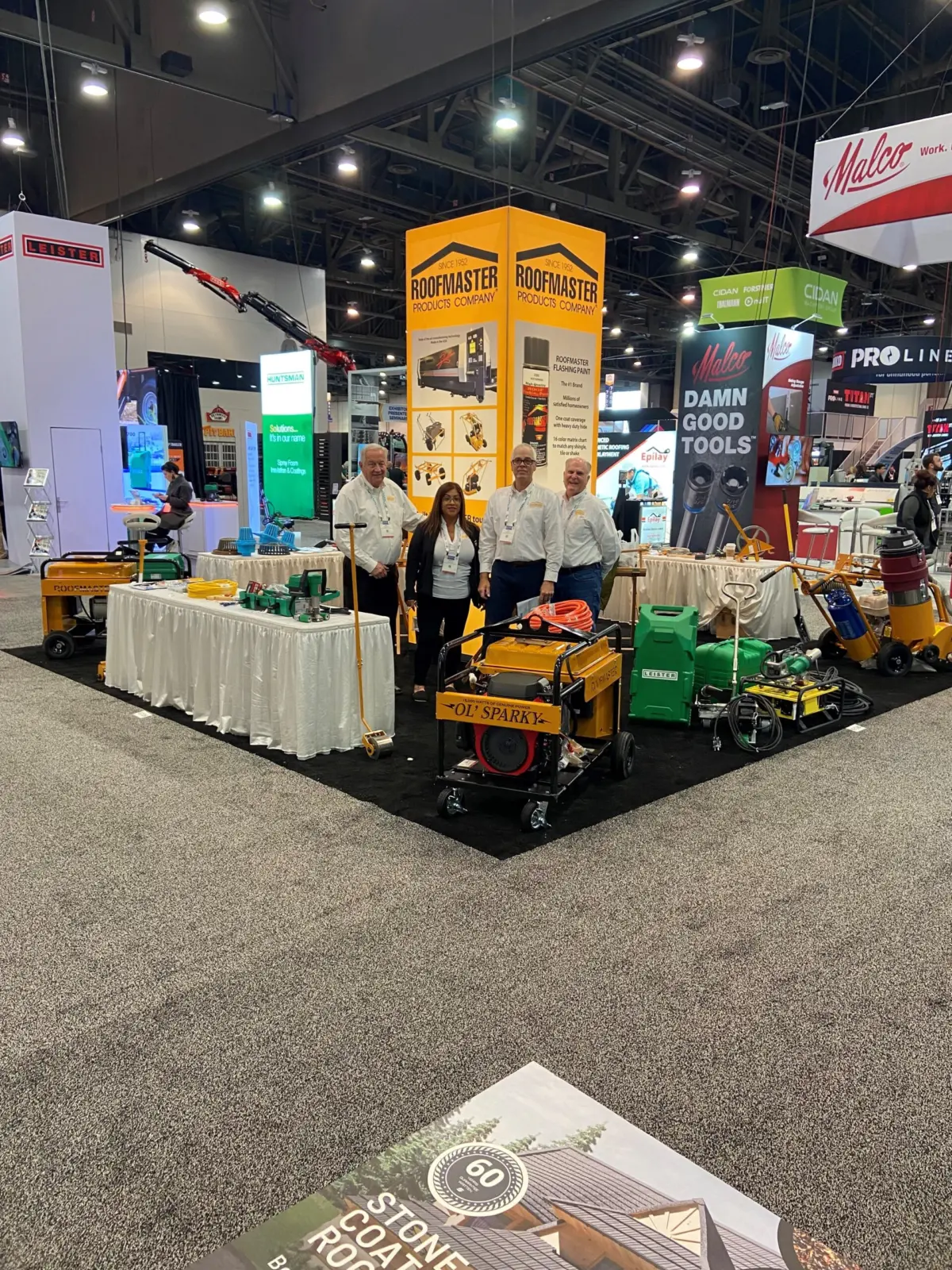
Main Facts
Amid escalating regulatory scrutiny, volatile raw material costs, and a post-pandemic surge in infrastructure rehabilitation, Roofmaster Products Company—a premier manufacturer and distributor of commercial roofing equipment—has announced a comprehensive alignment of its product distribution network. By structuring its vast inventory of thousands of specialized stock-keeping units (SKUs) into highly accessible, integrated categories, the company aims to address a critical pain point for North American roofing contractors: supply chain fragmentation.
The commercial roofing sector is currently facing a dual challenge. On one side, contractors are dealing with tightening Occupational Safety and Health Administration (OSHA) enforcement regarding fall protection. On the other, they must adapt to a rapidly evolving materials landscape that includes single-ply membranes, modified bitumen, and traditional built-up roofing (BUR) systems.
To support contractors navigating this complex environment, Roofmaster has organized its extensive portfolio into specialized divisions. This inventory spans heavy-duty on-deck equipment, water management systems, single-ply thermal application tools, precision hand instruments, and state-of-the-art fall arrest systems.
+-----------------------------------------------------------------------------+
|                       ROOFMASTER INTEGRATED PORTFOLIO                       |
+-----------------------------------------------------------------------------+
|  [On-Deck Equipment]  [Water Management]  [Thermal/BUR]   [Safety Systems]  |
|  - Power Saws         - Retrofit Drains   - Kettles       - Fall Arrest     |
|  - Conveyors          - Overflow Drains   - Tanker Pumps  - Perimeter Guard |
|  - Compressors        - Clamping Rings    - Burners/Valves- PPE & Harnesses |
+-----------------------------------------------------------------------------+
By providing a single, consolidated source for both high-end machinery and everyday consumables, Roofmaster is positioning itself to help contractors reduce lead times, lower shipping costs, and maintain compliance on high-liability jobsites.
Chronology of Industry Shifts and Portfolio Expansion
The evolution of Roofmaster’s product line mirrors the broader technological and regulatory history of the North American roofing industry over the past several decades:
The Era of Built-Up Roofing (BUR) and Thermal Kettles
During the mid-to-late 20th century, commercial roofing was dominated by multi-layer built-up roofing (BUR) systems utilizing hot asphalt and coal tar pitch. During this foundational period, Roofmaster established its reputation by engineering highly durable "Roofmaster Kettles," along with robust tanker pumps, kerosene burners, LP/butane valves, and litewall tubing unions. Heavy-duty non-powered equipment—such as hot asphalt carriers, mop carts, and high-capacity wheelbarrows—formed the backbone of jobsite logistics.
The Single-Ply Revolution (1980s–1990s)
As petroleum crises and labor-intensive BUR systems drove the market toward single-ply elastomeric and thermoplastic membranes (such as EPDM, TPO, and PVC), Roofmaster expanded its manufacturing capabilities. The company introduced hot air welders, specialized adhesive rollers and frames, silicone and steel hand rollers, and modified bitumen LP torches. This shift allowed contractors to seal seams using thermal fusion rather than liquid asphalt.
The Regulatory Safety Mandate (Post-2000)
With OSHA significantly increasing enforcement of fall protection standards (29 CFR 1926.501) for work heights of six feet or more, safety transitioned from an afterthought to a primary operational cost. Roofmaster responded by building a dedicated Fall Protection & Roof Safety division. This sector encompasses engineered roof anchors, full-body safety harnesses, fall arrest kits, perimeter warning lines, and specialized safety training accessories.
Modern Digital and Material Integration (2010–Present)
Today’s roofing projects require high-tech diagnostic tools to verify structural integrity and energy efficiency. Roofmaster has integrated advanced testing instruments into its standard catalog, including infrared thermometers, electronic moisture detectors, and single-ply seam testers. Additionally, the rise of solar installations and green roofs has led to the inclusion of specialized paver supports and solar-ready flashing accessories like the CommDeck system.
Supporting Data: Technical Analysis of the Product Catalog
To understand the operational scale of Roofmaster’s portfolio, it is helpful to analyze the technical specifications and use cases of its core product categories.
1. Water Management and Drainage Solutions
Effective water shedding is critical to preventing structural collapse on low-slope commercial roofs. Roofmaster’s drainage line addresses both new construction and building envelope rehabilitation:
- Retrofit Drains: Engineered to fit inside existing drain pipes without requiring tear-out of the ceiling below. These are available in heavy-duty aluminum, copper, and high-impact plastic configurations to match varying chemical compatibility and thermal expansion needs.
- New Installation Drains: Cast-iron drains featuring large, medium, and small sumps are designed to handle high-volume rainfall. They are paired with clamping rings and polyethylene or metal domes to prevent debris from clogging leader lines.
- Scuppers and Overflow Systems: Dual-drain combo systems ensure that if a primary drain becomes obstructed, an overflow line immediately routes water off the deck, preventing catastrophic structural loading.
       [Dome Strainer]  <-- Prevents debris accumulation
             ||
       [Clamping Ring]  <-- Secures roof membrane to drain body
             ||
      +==============+  <-- Roof Membrane Level
      |  Drain Sump  |
      +==============+
             ||
     [Retrofit Insert]  <-- Slides into existing piping
             ||
       [O-Ring Seal]    <-- Prevents backflow water damage
2. On-Deck Machinery and Powered Equipment
Roofing contractors rely on specialized on-deck machinery to minimize manual labor and expedite tear-offs:
- Conveyors and Outriggers: Roofmaster’s proprietary FBR and HSDF conveyor parts, turntables, and outriggers allow bulk materials to be transported directly from ground level to the roof deck, reducing crane rental costs.
- Roof Saws and Blades: Powered deck saws equipped with specialized carbide blades cut through thick, multi-ply asphalt and insulation boards during tear-offs.
- Feltslitters and Compressors: Industrial-grade compressors power pneumatic nailers, while automated feltslitters expedite the layout of underlayments.
3. Thermal Application and Kettle Engineering
For traditional hot-applied systems, Roofmaster continues to manufacture and support highly specialized thermal equipment:
- Kettle Repair Parts: To keep jobsites running, Roofmaster maintains an active supply chain of replacement parts for kerosene, LP, and butane kettles, including high-pressure valves, burners, regulators, hoses, and heavy-duty frame running gear.
- Fluid Logistics: High-volume tanker pumps, rubber flex hoses, and top swivel assemblies facilitate the safe transfer of molten asphalt from ground-level tankers to roof-mounted distributors.
4. Safety and Personal Protection Equipment (PPE)
With fall protection violations consistently topping OSHA’s annual list of most-frequent citations, the safety division represents a high-priority product line:
- Active Fall Arrest: Heavy-duty roof anchors designed for wood, steel, and concrete decks serve as secure tie-off points. These are paired with shock-absorbing lanyards and ergonomic harnesses.
- Passive Fall Protection: Perimeter warning lines, stanchions, and roof edge safety guards provide collective protection, allowing workers to move freely without individual tie-offs in designated safe zones.
- Jobsite Safety Consumables: This category includes safety warning signs, high-visibility cones, barricade tapes, specialized first-aid and burn kits, and fire extinguishers rated for hot-work operations.
Official Responses and Industry Commentary
Industry executives and trade representatives emphasize that product availability and supply chain consolidation are critical to contractor survival in today’s market.
An executive from the National Roofing Contractors Association (NRCA), speaking on the condition of anonymity, commented on the logistical challenges facing modern contractors:
"The commercial roofing market can no longer tolerate disjointed supply chains. When a contractor is forced to buy their retrofit drains from one source, their safety harnesses from another, and their single-ply welding equipment from a third, they expose themselves to cumulative shipping delays and compatibility issues. A single delay in sourcing a basic component—like concrete fasteners or adhesive rollers—can stall a multi-million-dollar project, leaving a building envelope exposed to weather damage and triggering severe contract penalties."
A product manager at Roofmaster Products highlighted the company’s commitment to maintaining a comprehensive, high-availability inventory:
"Our focus has always been on supporting the contractor from the ground to the deck. Whether they are performing a traditional hot-asphalt BUR install using our classic Roofmaster kettles or executing a high-performance TPO single-ply system using hot-air welders, we ensure they have access to the exact tools they need.
We don’t just stock the main machinery; we stock the deep-tail SKUs—items like specialized copper nails, button-kap coil fasteners, low-density deck screws, and niche parts for FBR conveyors. This level of support is what keeps fleet vehicles moving and prevents costly downtime on the jobsite."
Implications for the Roofing and Construction Industry
Roofmaster’s consolidated distribution strategy has significant long-term implications for the broader commercial construction sector:
+------------------+     +------------------+     +------------------+
|  Consolidated    |     | Reduced Transit  |     | Lower Project    |
|  SKU Sourcing    | --> | Times & Freight  | --> | Overhead and     |
|  (Single Vendor) |     | Costs            |     | Faster Closeouts |
+------------------+     +------------------+     +------------------+
         |                        |                        |
         v                        v                        v
+------------------+     +------------------+     +------------------+
| Standardized     |     | Improved OSHA    |     | Decreased Risk   |
| Safety Gear &    | --> | Compliance on    | --> | of Liability &   |
| Training Kits    |     | the Jobsite      |     | Work Stoppages   |
+------------------+     +------------------+     +------------------+
Improved Logistical Efficiency
By sourcing all necessary tools—from heavy machinery like roof rigs and conveyors to consumables like cotton mops, squeegees, and trash chutes—from a single source, contractors can simplify their procurement workflows. This consolidation reduces purchase order overhead, simplifies freight tracking, and lowers overall shipping costs.
Higher Compliance and Lower Liability
When high-quality safety equipment is readily available alongside standard application tools, safety compliance becomes a natural part of the procurement process rather than an afterthought. This integration helps contractors lower their Experience Modification Rates (EMR), reduce insurance premiums, and minimize the risk of costly OSHA citations or work stoppages.
Rapid Adoption of Modern Material Technologies
As building codes demand higher energy efficiency and better water management, the transition to cool roofs, green roofs, and solar integrations will accelerate. Having immediate access to specialized tools—such as infrared moisture detectors, solar-ready CommDeck flashing bases, and high-performance single-ply testers—allows traditional roofing contractors to easily diversify into these high-margin, environmentally sustainable sectors. This shift helps future-proof their businesses while supporting the broader construction industry’s transition toward sustainable building practices.
