

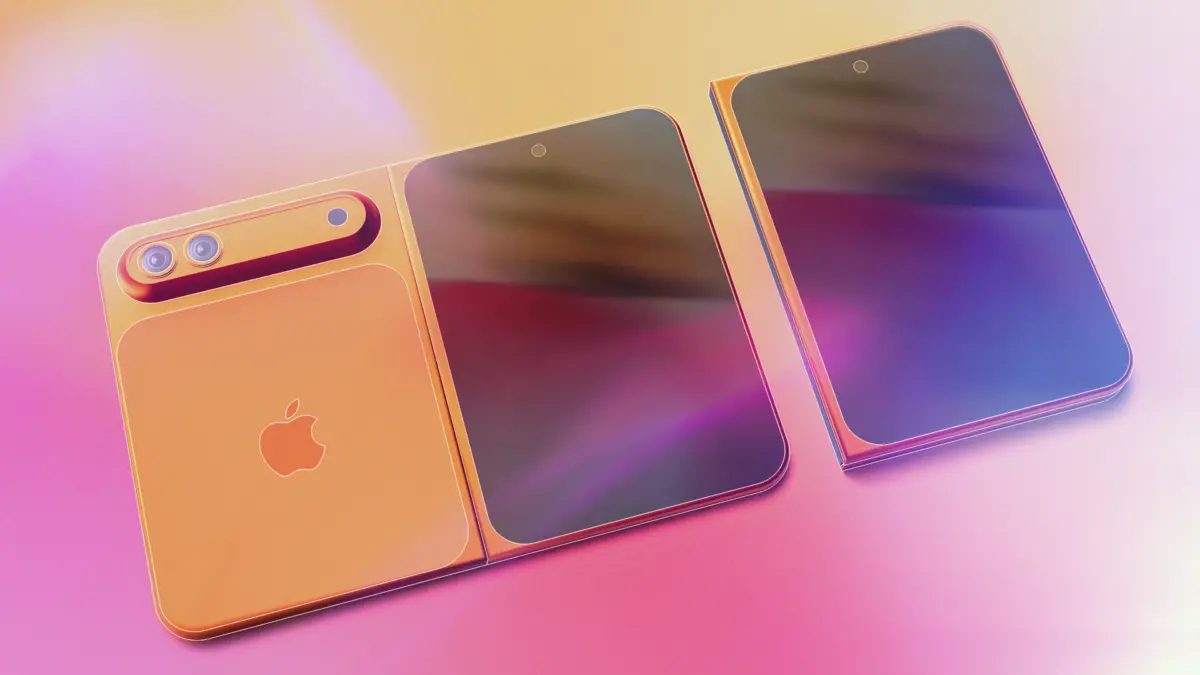
As Apple prepares for its marquee autumn product showcase, the tech industry finds itself bracing for a paradigm shift. For years, major competitors like Samsung, Google, and Motorola have dominated the folding phone landscape, leaving Apple fans wondering when Cupertino would enter the fray. Now, mounting supply chain reports, analyst notes, and patent filings suggest that the wait is nearly over.
Apple’s upcoming fall event is scheduled against a backdrop of historic transition. Not only is it expected to serve as the launchpad for the iPhone 18 lineup and a heavily anticipated foldable device—rumored to be branded the iPhone Ultra—it also marks the first major keynote following Tim Cook’s formal handover of the Apple leadership reins to John Ternus.

With expectations reaching a fever pitch, leaks and insider reports have painted a clearer picture of what the device will look like, how much it will cost, and how it could fundamentally alter the global smartphone market.
Main Facts: What Is the iPhone Ultra?
Industry insiders and supply chain analysts have tracked the development of Apple’s folding device for years. While early rumors consistently referred to the hardware as the "iPhone Fold," recent leaks suggest Apple may pivot to the iPhone Ultra moniker. This strategic branding choice would elevate the device above the traditional Pro tier, signaling a luxurious new hardware category with a price tag expected to start north of $2,000—potentially climbing as high as $2,500.

Design and Display
Unlike clamshell "Flip" styles, leaks point to a book-style foldable device. CAD renders and dummy units indicate a squat, wide chassis reminiscent of the original Pixel Fold or Samsung’s Galaxy Z Fold series rather than taller, narrower form factors.
- Outer Display: Rumored to measure around 5.5 inches.
- Inner Display: Unfolds to a near tablet-sized 7.8-inch screen.
- Thickness: Expected to measure roughly 9mm to 9.5mm when folded, narrowing to 4.5mm to 4.8mm when opened.
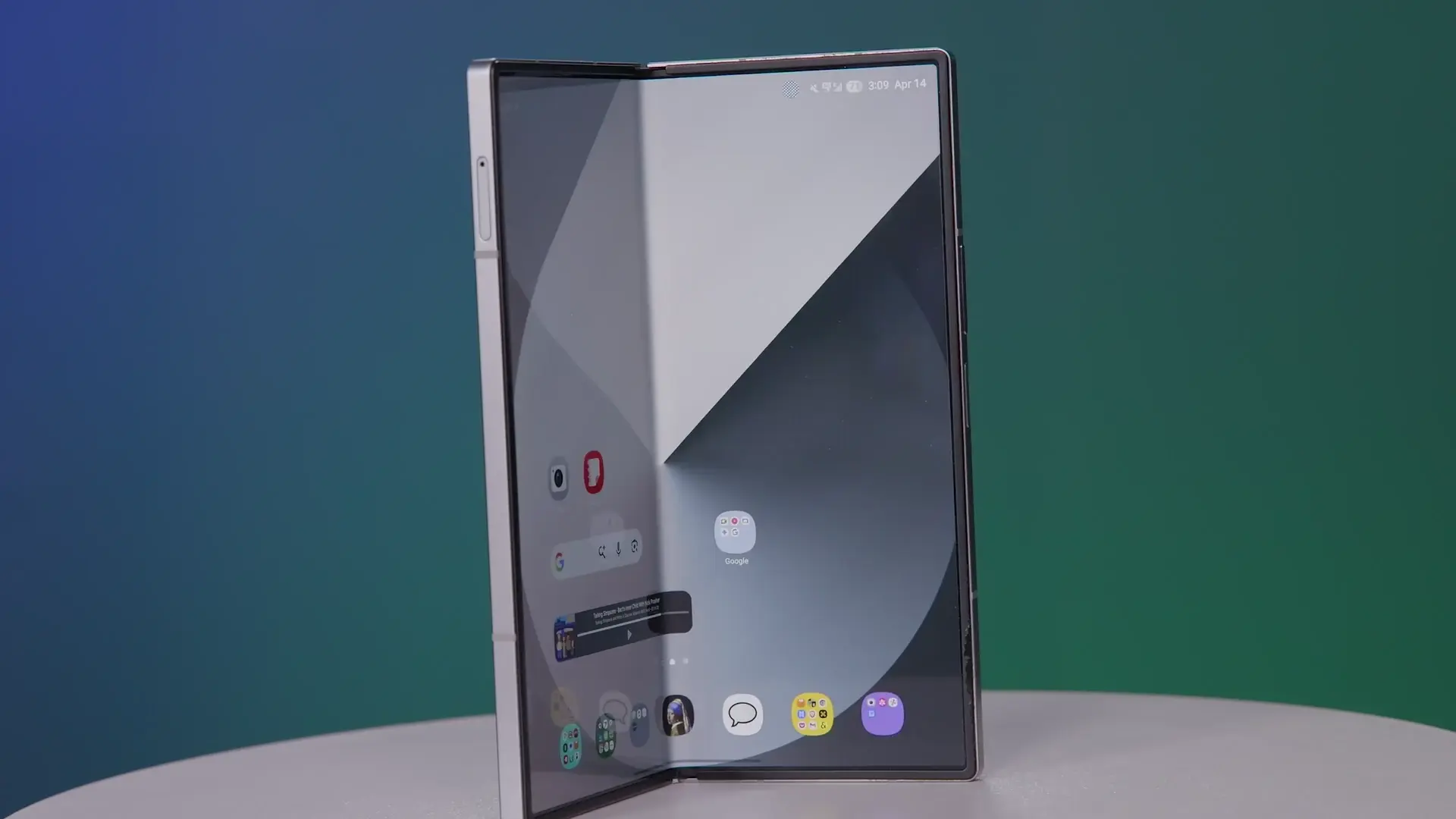
- The Crease Breakthrough: According to reports from Chinese publication UDN, Apple may have achieved a major engineering feat: a folding screen with little to no visible crease—a persistent pain point for consumers and critics of early foldable technology.
Hardware and Biometrics
Achieving such a slim profile requires compromises. According to supply chain analysts like Ming-Chi Kuo, the iPhone Ultra’s razor-thin chassis leaves insufficient internal space for Apple’s signature TrueDepth camera array. Consequently, the device is expected to forgo Face ID entirely, opting instead for Touch ID embedded in the side power button.
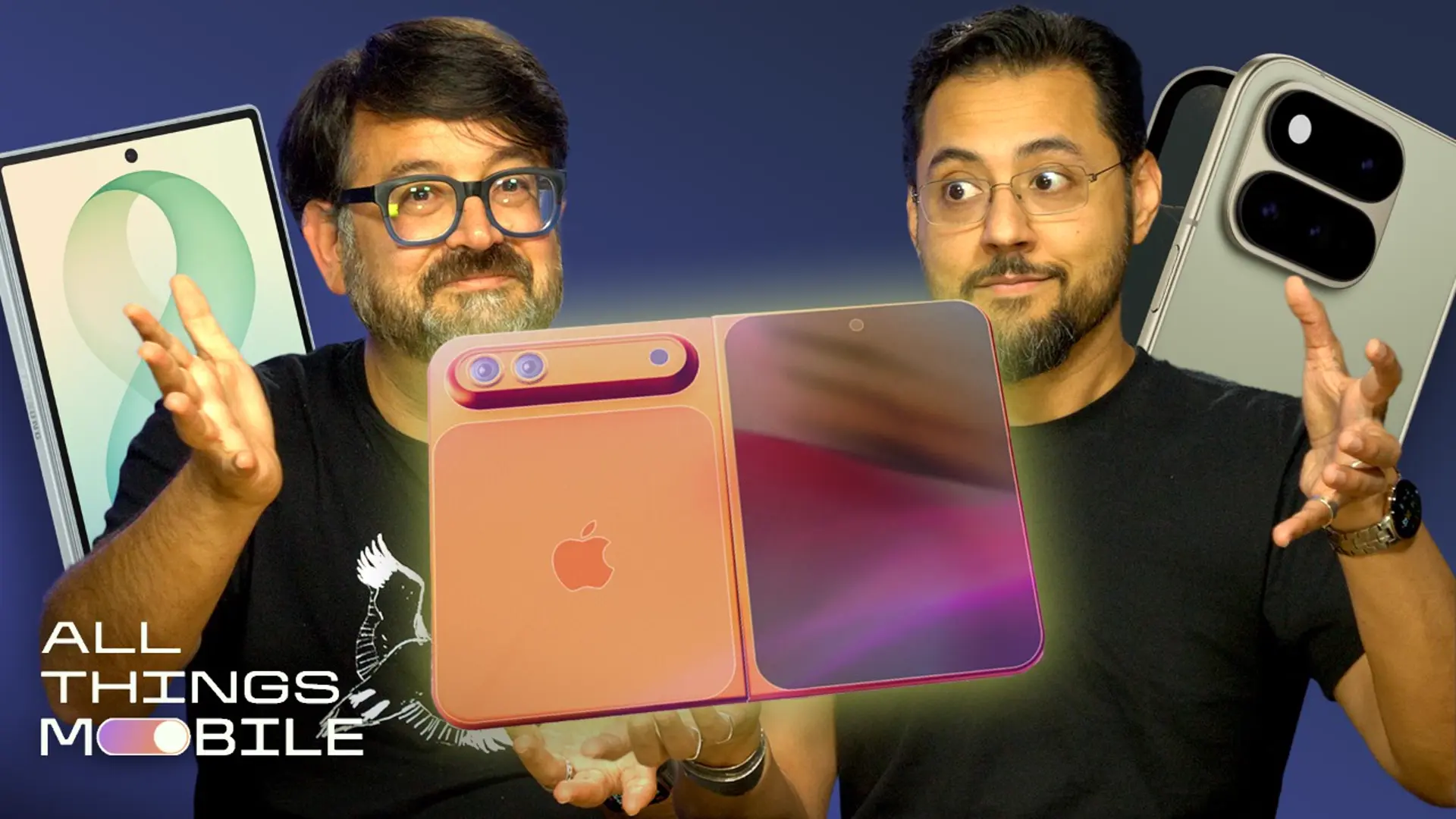
Furthermore, leaks indicate the device will feature a premium hinge constructed from titanium and stainless steel alloys—similar to the materials utilized in Apple’s Pro Max line and the Apple Watch Ultra—with some rumors pointing to liquid metal applications.
Chronology: A Timeline of Rumors and the Path to 2026
Apple’s journey toward a foldable smartphone has been a long-running saga of speculation, delayed expectations, and relentless patent filings.

- 2010–2021 (The Patent Foundation): Apple secures a slew of patents covering flexible displays, origami-style configurations, and wraparound screens. By January 2021, early Bloomberg reports indicate Apple has developed early prototypes of foldable displays, though no commercial release is announced.
- 2021–2025 (The Moving Target): Initial rumors point to a 2021 commercial launch, a target that quietly passes. Subsequent rumors eye 2023 and 2025 as potential windows, but Apple takes a deliberate "wait-and-watch" approach to let the nascent foldable market mature.
- March 2025 (Kuo’s Blueprint): Analyst Ming-Chi Kuo drops detailed specifications for a book-style foldable featuring a 5.5-inch outer and 7.8-inch inner screen, laying the groundwork for modern expectations.
- Early 2026 (RAM and Production Leaks): Research notes seen by MacRumors suggest the device will pack 12GB of RAM. Meanwhile, supply chain sources on Weibo indicate that initial production runs will target roughly 10 million units, though manufacturing ramp-ups may lag behind standard flagships.
- September 2026 (The Anticipated Debut): Apple issues event invites for September 9, carrying the tagline "Surprise and shine." While the iPhone 18 family is a lock, industry watchers await confirmation on whether the foldable will share the stage—or face a delayed retail rollout.
Supporting Data: Market Impact and Consumer Sentiment
Foldable phones currently occupy a niche corner of the global smartphone ecosystem. A recent CNET survey revealed that 64% of consumers still express disinterest in purchasing a foldable device, citing concerns over durability, creases, and exorbitant pricing.
However, industry analysts expect the "Apple Effect" to dramatically shift these dynamics.

- Market Share Projections: According to IDC data from April, global foldable phone shipments are projected to spike by 19% the moment Apple enters the market. Apple’s folding device alone is forecasted to capture roughly 24% of the global foldable market share.
- Production Bottlenecks: While initial production volume is projected at 10 million units, manufacturing yields for such complex hardware could prove challenging. Leaks suggest production may ramp up 30% to 40% slower than standard iPhone production lines, pointing to potential supply shortages and delayed fulfillment windows for early buyers.
- Memory and Processing: Rumors suggest the iPhone Ultra will feature 12GB of RAM, mirroring the anticipated memory configuration of the iPhone 18 Pro lineup. This indicates that Apple is not skimping on computational headroom, despite the spatial constraints of a folding chassis.
Official Responses and Corporate Silence
True to form, Apple has maintained its strict policy of corporate silence regarding unreleased products. As the days tick down to the September 9 event, the company has neither confirmed nor denied the existence of the iPhone Ultra.
Executives have historically viewed entering a new product category not as a race to be first, but a race to be best. By allowing competitors like Samsung and Google to iron out early consumer complaints regarding software optimization, hinge durability, and screen creases over the past half-decade, Apple appears positioned to enter the market with a refined, mature hardware ecosystem—provided the leaks regarding its crease-free display and titanium-stainless steel hinges hold true.
Implications: What a Folding iPhone Means for the Industry
The launch of Apple’s first foldable device carries profound implications for the mobile industry at large:
- Validation for the Foldable Category: For years, foldables have been viewed by skeptics as expensive proof-of-concept devices for early adopters. Apple’s entry validates the form factor as a mainstream luxury standard, forcing competitors to elevate their design, durability, and software multitasking capabilities.
- Pricing and the Ultra Tier: By establishing a starting price point around $2,000 to $2,500, Apple is effectively carving out a "super-flagship" tier. This normalizes ultra-premium pricing in a macro environment already strained by global memory shortages and rising component costs.
- Software Ecosystem Evolution: As Bloomberg reporter Mark Gurman noted, multitasking on the iPhone Ultra may not precisely mirror the Mac-like environment of iPadOS, but side-by-side app layouts with drag-and-drop functionality will test developers. Apple will need to convince its robust developer ecosystem to optimize applications for a novel, dual-screen aspect ratio.
Whether the iPhone Ultra makes its official bow on September 9 or is held back for a staggered release in 2027, the countdown to Apple’s foldable future has officially begun.
