

Published: September 4, 2026
Author: Ankitha Gattupalli / Adapted for Editorial Distribution
Main Facts
Every housing crisis eventually becomes a land question, and every land question ultimately forces a society to confront its deepest values. On the United States West Coast, this philosophical friction has reached a breaking point. As municipal leaders from Los Angeles and San Francisco to Portland and Seattle grapple with skyrocketing real estate prices and chronic shortages of accessible housing, their search for developable land inevitably leads to the same contested spaces: urban parks, protected greenbelts, and community open spaces.
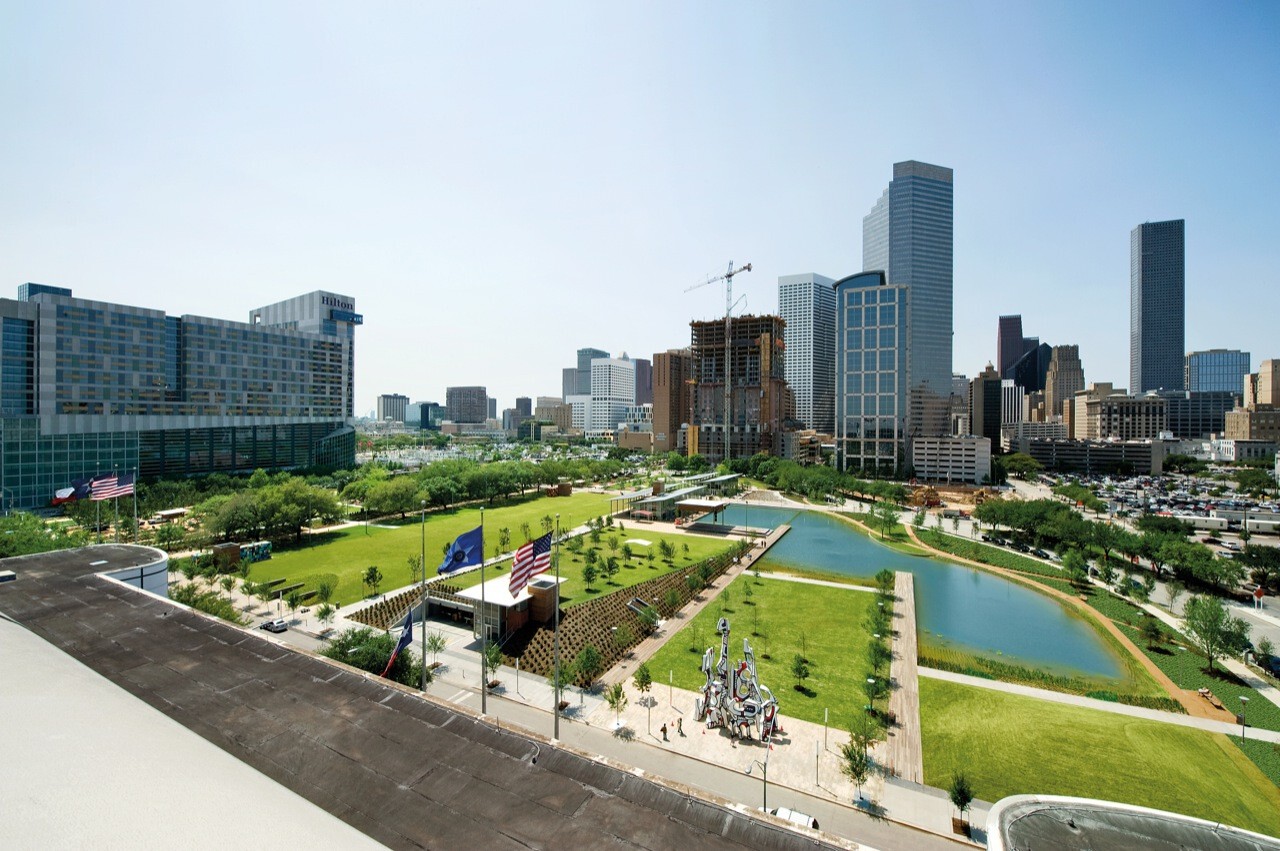
What is routinely framed as a bureaucratic zoning adjustment or a technical land-use decision has, in reality, become a high-stakes referendum on urban livability. City planners and elected officials find themselves trapped in a zero-sum dilemma: how to satisfy long-standing promises to construct affordable housing without dismantling the environmental buffers that safeguard urban health, mitigate the urban heat island effect, and offer psychological respite to crowded populaces.
Key dimensions of this ongoing crisis include:
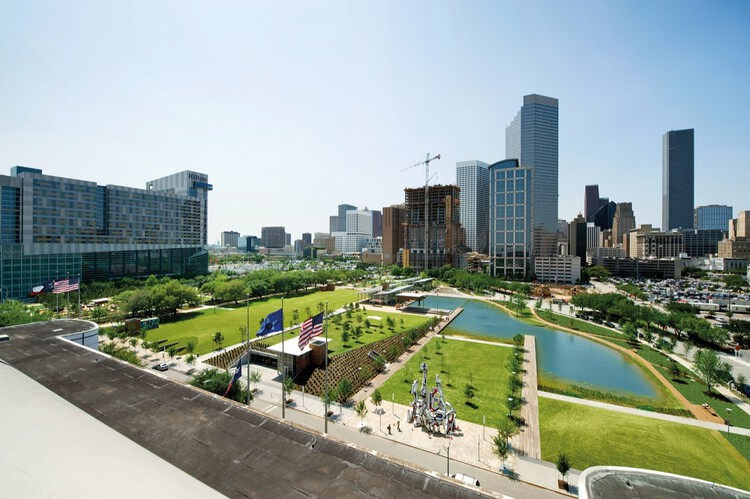
- The Land Scarcity Crunch: West Coast metropolitan areas are geographically constrained by oceans, mountain ranges, and strict urban growth boundaries, leaving virtually no "easy" parcels for high-density development.
- The Equity Paradox: Preserving parks often drives up property values in adjacent neighborhoods, pricing out low-income residents and accelerating gentrification—while building on green space sacrifices environmental health for density.
- The Policy Impasse: State mandates requiring increased housing production frequently clash with municipal environmental protections and local zoning codes, igniting fierce legal and political battles.
Chronology: The Evolution of West Coast Growth Controls
To understand how West Coast cities arrived at this ideological crossroads, one must look backward at how land-use policy has evolved over the past century.
1970s–1980s: The Rise of the Greenbelt and Growth Boundaries
Spurred by rapid suburban sprawl and a burgeoning environmental movement, states like Oregon pioneered aggressive land-use planning. In 1973, Oregon established its landmark Senate Bill 100, requiring every city and county to establish an urban growth boundary (UGB). Washington followed suit with the Growth Management Act in 1990. These policies successfully preserved vast tracts of farmland and forest from tract-home proliferation, but they also fundamentally restricted the supply of developable land.

1990s–2010s: The Densification Mandate
As inward migration accelerated the population boom in tech and entertainment hubs, housing demand vastly outpaced the supply locked inside these rigid boundaries. Municipalities turned to transit-oriented development and infill housing. However, local "NIMBYism" (Not In My Backyard), complex environmental review processes (such as the California Environmental Quality Act, or CEQA), and historic zoning kept density artificially low in affluent single-family neighborhoods.
2020–Present: The Direct Collision of Housing and Ecology
Post-pandemic economic shifts, remote work trends, and worsening homelessness crises forced state legislatures to step in. Laws like California’s SB 9 and SB 10 sought to override local zoning to permit multi-family housing. Yet, as developers and municipal authorities exhaust easy infill sites (such as defunct strip malls or underutilized industrial lots), they have increasingly cast their eyes toward under-resourced public lands, peripheral greenbelts, and park-adjacent plots, setting the stage for the current 2026 crisis.
Supporting Data: The Economics of Green Space Versus Density
The friction between ecological preservation and real estate economics is quantifiable. Numerous urban planning studies illuminate the complex relationship between green infrastructure and housing affordability.
- The Premium of Proximity: Real estate analyses consistently show that homes located within a quarter-mile of a well-maintained park command a 15% to 20% price premium compared to identical properties further away.
- The Green Gentrification Loop: While parks are designed to improve public health and community wellbeing, their presence frequently triggers rapid appreciation of surrounding land values, inadvertently pricing out the vulnerable populations they were meant to serve.
- Open Space Deficits: According to the Trust for Public Land, major West Coast cities vary wildly in park equity. Densely packed urban cores often feature less than 5 acres of parkland per 1,000 residents, heightening the community resistance that flares up whenever a scrap of green turf is earmarked for concrete and steel.
- Construction Cost Realities: Developing on complex urban terrain or remediating polluted brownfields is often significantly more expensive than building on flat, peripheral greenfield sites—though the long-term infrastructure and environmental costs of expanding outward are vastly higher.
Official Responses and Stakeholder Perspectives
The debate over sacrificing green space for housing has fractured local governments, pitting environmentalists, housing advocates, and municipal leaders against one another.

Urban Planners and Municipal Leaders
Mayors and city councils find themselves walking a political tightrope. "We are asked to solve two existential crises at once—the climate crisis and the housing crisis—using the exact same finite pool of geography," notes a senior urban planner in the Pacific Northwest who requested anonymity. "Every time we protect a tree canopy, we potentially push a family into housing insecurity. Every time we zone a park edge for apartments, we degrade the neighborhood’s climate resilience."
Housing Justice Advocates
Advocates for the unhoused and low-income renters argue that human shelter must take moral precedence over recreational turf or decorative greenery. Organizations across California and Washington have increasingly pointed out that affluent neighborhoods often retain massive, underutilized private and public green spaces (such as golf courses and sprawling suburban lawns), while working-class neighborhoods bear the brunt of densification demands.
Environmental and Conservation Groups
Conversely, conservationists warn that trading green space for housing is a short-sighted Faustian bargain. "You cannot asphalt your way out of a housing crisis if it compromises the ecological health that makes a city livable in the first place," argues a spokesperson for a West Coast environmental coalition. They emphasize that urban trees and permeable parklands are critical infrastructure for managing stormwater, lowering extreme summer temperatures, and maintaining public mental health.
Implications: Designing the Future of West Coast Cities
As West Coast cities navigate this delicate balancing act, the outcome will redefine urban design for the 21st century. Simply choosing between a park and an apartment building represents a failure of imaginative architecture and progressive policy.

Instead, architects, urban designers, and policy-makers are being forced to innovate beyond the binary choice of "green space versus housing." Emerging models point toward hybrid typologies:
- Vertical Integration: Designing multi-family housing developments that incorporate expansive rooftop gardens, integrated public pocket parks, and elevated greenways within the building footprint itself.
- Reclaiming Gray Infrastructure: Turning asphalt parking lots, obsolete highway corridors, and underutilized industrial waterfronts into mixed-use eco-districts that combine high-density affordable housing with restored native ecologies.
- Equitable Zoning Overhauls: Shifting density burdens away from fragile park ecosystems and onto affluent, transit-rich single-family neighborhoods that have historically resisted integration.
Ultimately, the housing crunch on the US West Coast is more than a supply-chain failure or a regulatory bottleneck. It is a mirror reflecting how cities value human dignity alongside environmental stewardship. How architects and planners resolve this tension will determine whether future generations inherit concrete jungles devoid of nature, or resilient, inclusive cities where both people and ecosystems can thrive.
