

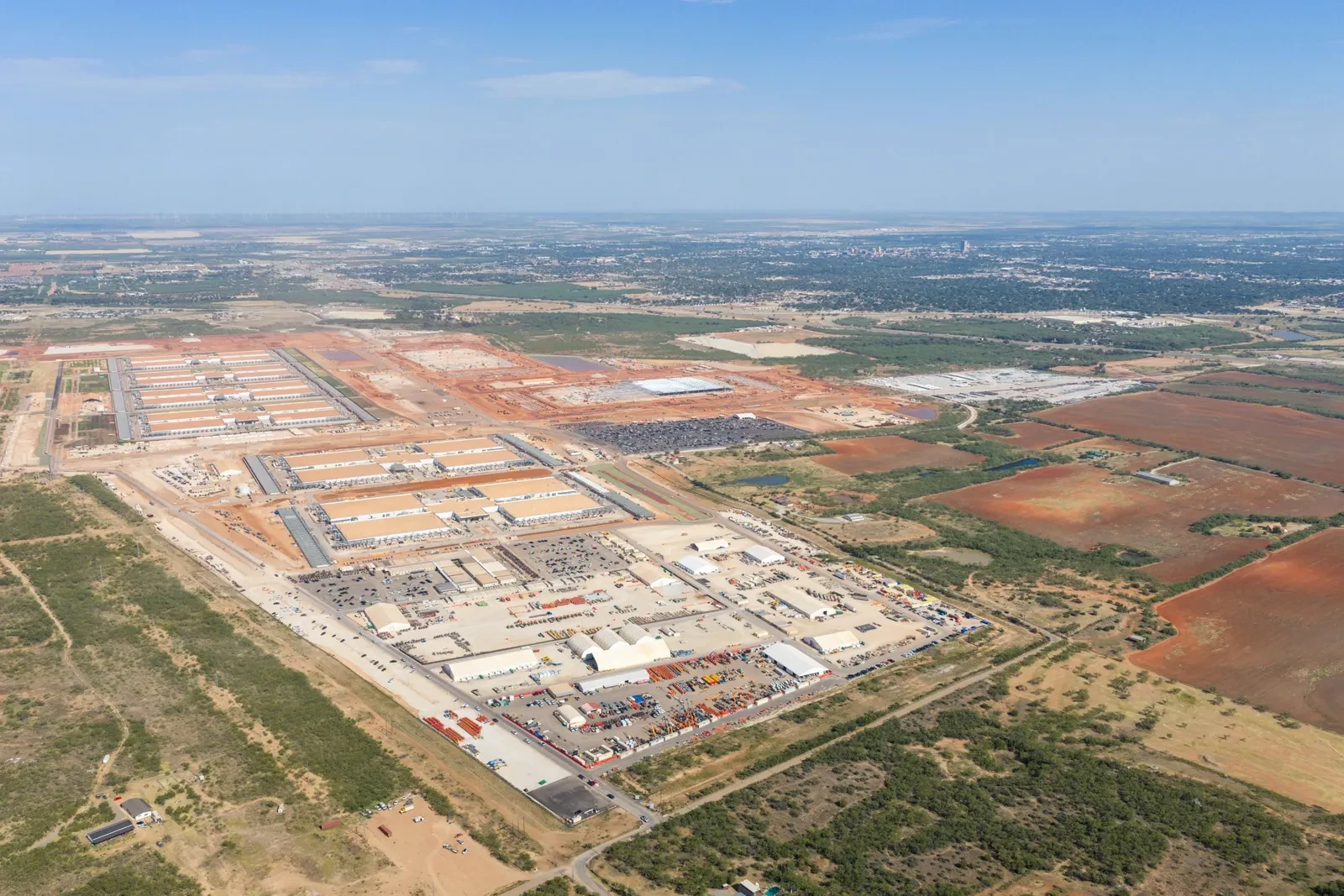
Main Facts: The Paradox of Modern Infrastructure
The United States is currently careening through an infrastructure paradox defined by unprecedented ambition and compounding friction. On one hand, the artificial intelligence gold rush continues to accelerate demand projections to staggering heights. The Electric Power Research Institute (EPRI) reported in February that data centers could account for up to 17% of total U.S. electricity demand by 2030, surging as high as 20% by 2035. Developers are submitting gigawatt-scale proposals at a relentless pace, and utility load forecasts are routinely revised upward to capture the coming wave of heavy computing loads.
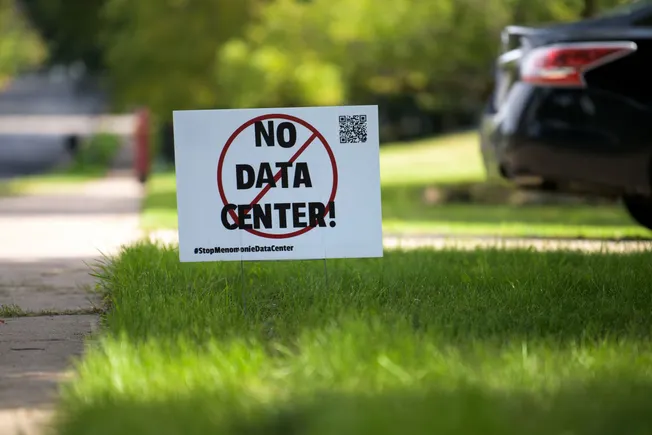
Yet, this optimistic paper reality is colliding with a severe physical and political bottleneck. Data center and utility infrastructure projects are running into an unyielding wall of constraints: severe electrical equipment shortages, skilled labor deficits, mounting regulatory hurdles, and an unprecedented wave of public opposition. Local communities are raising alarms over massive facilities draining local water supplies, driving up household energy costs, and degrading regional quality of life.
Consequently, even advanced projects—complete with named hyperscalers and prominent placement in utility resource plans—are seeing their futures clouded. Analysts at Goldman Sachs estimated in May that only 50% to 60% of planned data center capacity will realistically come online over the next two years due to cancellations and delays. The era of frictionless data expansion has officially hit a wall, threatening to upend long-term utility planning cycles and force a structural reevaluation of how the nation powers the digital age.
Chronology: A Timeline of Escalating Friction
The friction stalling the data center pipeline has materialized through a series of escalating milestones, regulatory speedbumps, and localized pushbacks across the country:
- May 2024: Associated Builders and Contractors releases data showing the U.S. construction industry faces a shortage of roughly 500,000 workers, setting the stage for labor competition between digital infrastructure and other mega-projects.
- Fall 2024: Portland General Electric successfully utilizes GridCARE’s AI-powered load modeling tool to unlock 80 MW of interconnection headroom, pioneering software-driven capacity management.
- February 2025: EPRI publishes forecasts showing data centers will claim up to 17% of U.S. electricity demand by 2030.
- May 2025: Goldman Sachs warns that only 50% to 60% of scheduled data center capacity will materialize in the near term. A Heatmap News poll reveals that 71% of Americans oppose data centers being built near them.
- Spring 2026: Nobles County, Minnesota commissioners reject Geronimo Power’s proposed 400-MW "data park" despite community outreach efforts.
- May 2026: Utah Governor Spencer Cox enacts a higher bar for data center accountability, prompting Box Elder County to impose a six-month moratorium on builds. OpenAI strikes a massive deal for 8 gigawatts from a planned 10-GW project in Ohio.
- June 2026: Texas Governor Greg Abbott directs state regulators to ensure data centers fully fund required electrical infrastructure, subsequently driving a policy pause on new grid interconnections. A Microsoft-backed data center near Grand Rapids, Michigan faces severe permitting delays.
- July 2026: Wood Mackenzie notes a 19% drop in newly added development pipeline capacity compared to late 2025, as developers prioritize existing pipelines. PJM’s independent market monitor attributes 38% of recent capacity auction price spikes to data center loads.
- August 2026: A proposed Google data center in Minnesota hits a court-ordered work stoppage for environmental reviews. Amazon’s massive 7.7-GW gas plant proposal emerges in West Texas.
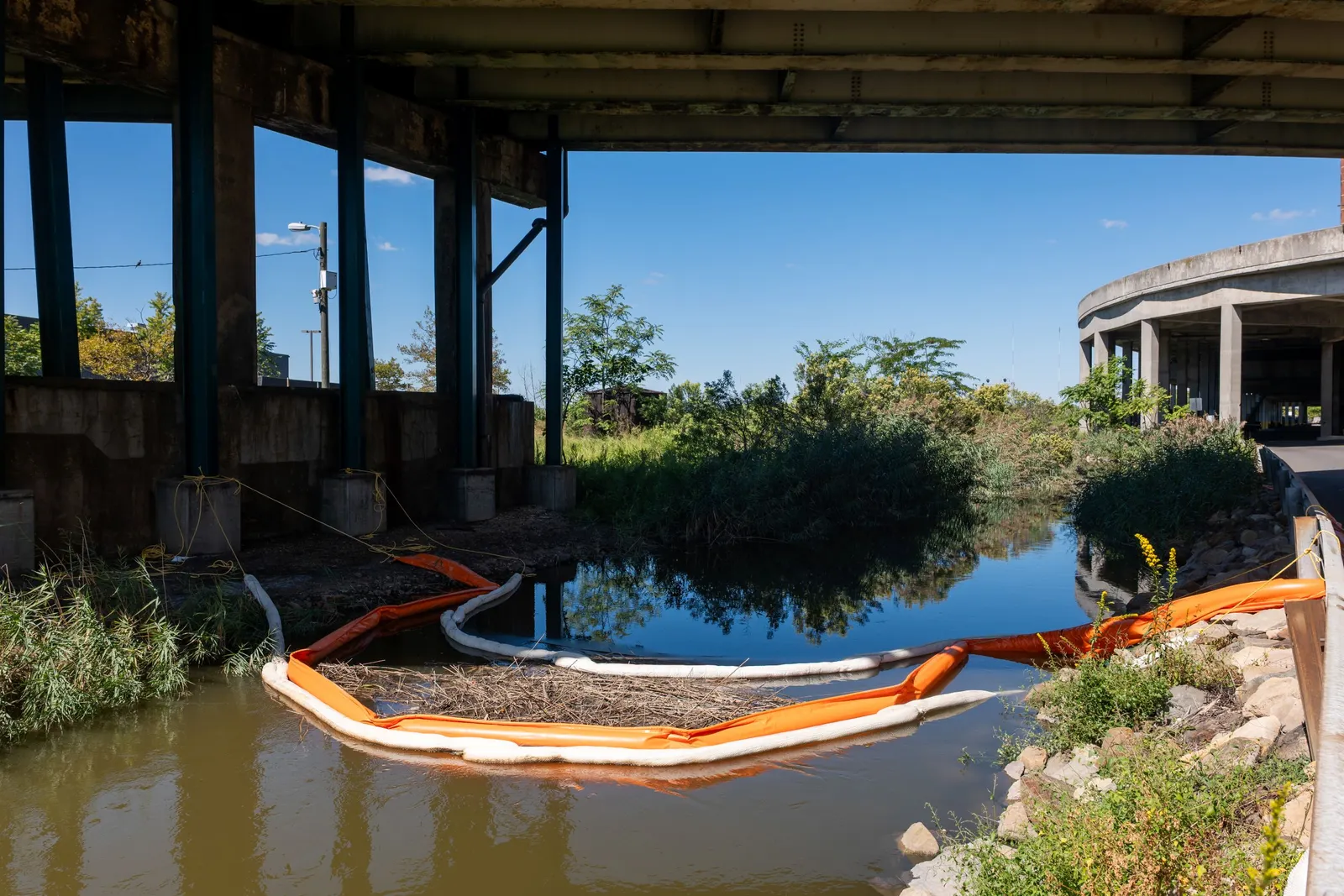
- September 2026: Thousands of gallons of diesel fuel spill from an AI data center in Secaucus, New Jersey, triggering a $1 million fine for running unpermitted gas generators and intensifying public rage. Oracle invokes force majeure on Project Jupiter in New Mexico after regulators block a crucial gas pipeline.
Supporting Data: Numbers Behind the Bottleneck
The structural headwinds facing the digital infrastructure boom are quantified by staggering statistics across equipment manufacturing, market pricing, and pipeline revisions:
- 19% Drop: The quarter-over-quarter decline in newly added pipeline capacity in the first quarter of 2026, dropping to 36 GW as developers hunker down on existing projects.
- 38% of Auction Charges: The proportion of PJM capacity auction price spikes directly blamed on data center demand by the grid operator’s independent market monitor.
- 2 to 3 Years: The current custom-build lead time for critical electrical equipment, such as standard power transformers and generator step-up units, according to marketplace tracker Fluxco.
- 100+ GW: The backlog currently weighing down top U.S. gas turbine manufacturer GE Vernova, with delivery quotes pushed out into the early 2030s.
- 90+ GW: The total behind-the-meter generation capacity tracked across 59 large-scale U.S. data center projects by grid data platform Cleanview, with up to 13 GW targeted for completion by late 2027.
- 71% Disapproval: The share of Americans who, according to a May poll by Heatmap News, would oppose the construction of a data center in their immediate locality—a jump of nearly 30 points from previous tracking.
- 20 Projects: The record number of proposed data center developments killed by local opposition in the first quarter of 2026 alone.
Official Responses: Navigating the Backlash and Scarcity
State leaders, industry executives, and regulatory bodies are scrambling to respond to the twin pressures of grid instability and public outrage.
In Texas, Governor Greg Abbott took aggressive legislative and executive action, directing the Public Utility Commission and ERCOT to shield everyday residents from footing the bill for heavy industrial grid upgrades. "Data centers must fully fund the costs of electric infrastructure needed to serve their operations," Abbott emphasized, a mandate that preceded an effective pause on new interconnections to audit the state’s overwhelmed queue.
Similar political pressure is mounting in the PJM Interconnection territory. Democratic governors in Pennsylvania, Virginia, and New Jersey have issued executive orders or petitioned regulators to demand that tech giants bring their own generation and transmission capacity to the table rather than relying entirely on legacy public grids.
In Utah, Governor Spencer Cox set a higher bar for industrial developers, explicitly stating that public input matters and demanding stringent safeguards for local air and water quality. This prompted high-profile investors to dramatically scale back project scopes in the face of local moratoria.
Developers and tech giants are pivoting in response. Many are pursuing "Bring Your Own Capacity" (BYOC) models. Notably, OpenAI secured an 8-GW slice of a 10-GW generation project in Ohio backed by SoftBank and the U.S. Department of Energy. Simultaneously, Amazon is pursuing a massive 7.7-GW gas plant in West Texas to feed its infrastructure directly.
At the same time, software-driven solutions are gaining traction. Initiatives like the Electric Power Research Institute’s DCFlex program and partnerships utilizing AI load-modeling tools—such as Portland General Electric’s work with GridCARE—are unlocking stranded capacity and enabling flexible load shedding during peak grid emergencies.
Implications: The Long-Term Outlook for Energy and Tech
The convergence of supply chain bottlenecks, skilled labor shortages, and fierce grassroots resistance carries profound implications for the future of the American energy landscape.
Most immediately, the narrative of unstoppable, linear growth for artificial intelligence infrastructure is being severely tested. Blake Nixon, president and CEO of Geronimo Power, captured the mood of the development community after his company’s 400-MW "data park" proposal was rejected in Nobles County, Minnesota: “[Data centers] are running into physical problems that are manifesting as market problems, political problems, regulatory problems and ultimately problems down on the ground.”
For utility planners, this environment injects an unwelcome and volatile layer of uncertainty. Long-term integrated resource plans (IRPs), which look decades into the future, are traditionally built on predictable, incremental load growth. The sudden influx of gigawatt-scale computing loads—coupled with a high rate of project cancellations, multi-year equipment lead times, and regulatory pauses—makes forecasting a treacherous guessing game. If utilities build too much generation to accommodate hyperscalers that ultimately pull out due to local opposition or permit denials, everyday ratepayers could be left holding the financial bag for stranded assets. Conversely, under-building could leave regional grids vulnerable to severe reliability shortfalls.
Ultimately, the data center boom is being forced to mature rapidly. The strategy of simply dropping massive compute facilities into any jurisdiction with available land is dead. Moving forward, the survival of the digital expansion depends entirely on whether developers can master community engagement, secure off-grid or behind-the-meter resilience, navigate historic supply chain backlogs, and prove that the digital revolution can coexist with local resource security and grid stability.
