

Main Facts
The global commercial roofing industry is experiencing a profound structural shift, marked by a significant return to traditional torch-down (modified bitumen) and hot-mopped asphalt systems. For over two decades, single-ply membrane systems—such as Thermoplastic Polyolefin (TPO) and Polyvinyl Chloride (PVC)—dominated the commercial roofing landscape due to their ease of installation and reflective properties. However, severe material shortages and logistics bottlenecks have forced roofing contractors to pivot back to time-tested, multi-ply asphaltic systems.
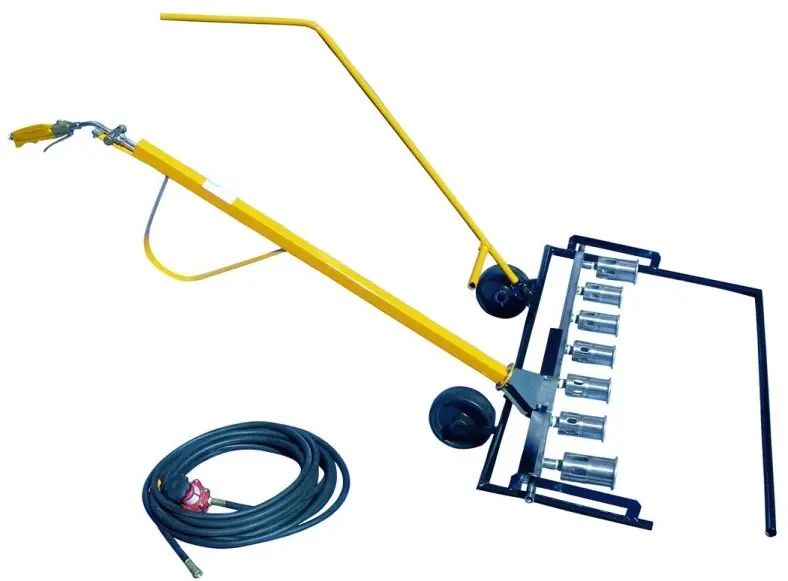
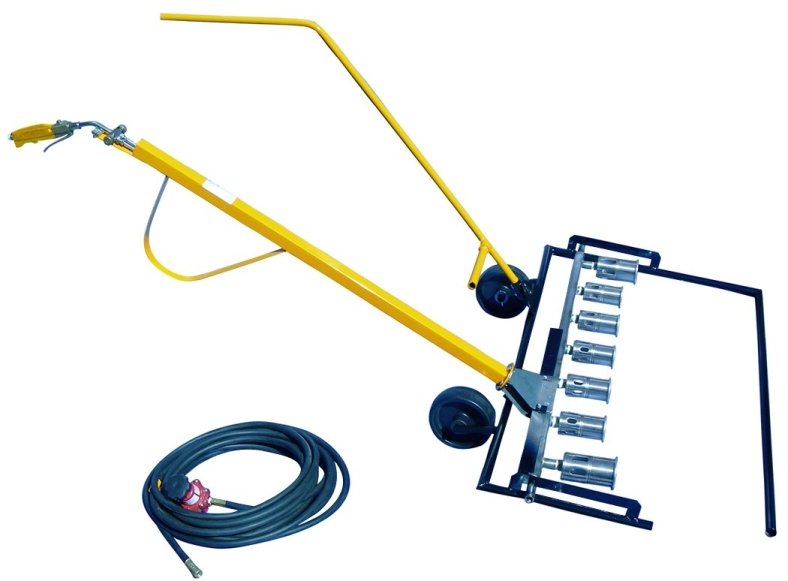
This transition is evidenced by a sharp spike in the sales of specialized application tools. Industry manufacturers and distributors, such as Roofmaster, report a surge in purchases of liquid petroleum gas (LPG) torches and mechanized multi-burner carts, such as the "Dragin Wagon." Furthermore, contractors are actively retrieving idle asphalt kettles from their yards, repairing them, and returning them to active service on commercial jobsites.
While this shift has allowed contractors to bypass supply chain delays and keep projects on schedule, it has introduced a critical challenge: a generation of roofing laborers accustomed primarily to cold-applied or single-ply systems is now being introduced to open-flame applications and molten, high-temperature materials. Consequently, industry experts are urging a comprehensive review of personal protective equipment (PPE), jobsite risk mitigation, and specialized torch-down safety protocols to prevent catastrophic fires and severe physical injuries.
Chronology: The Supply Chain Bottleneck and the Shift in Roofing Systems
The path to the current resurgence of torch-down roofing is rooted in the unprecedented disruptions that hit the global manufacturing sector beginning in 2020.
+-----------------------------------+
|            2020-2021              |
|  Pandemic lockdowns & Texas freeze|
|  disrupt chemical plants (MDI/TPO)|
+-----------------+-----------------+
                  |
                  v
+-----------------------------------+
|            2021-2022              |
|  Lead times for TPO/PVC skyrocket |
|  to 6-12 months; projects stall   |
+-----------------+-----------------+
                  |
                  v
+-----------------------------------+
|         Late 2022-Present         |
|  Contractors pivot to Mod-Bit &   |
|  BUR; sales of torches & Dragin   |
|  Wagons surge; safety training    |
|  becomes paramount                |
+-----------------------------------+
2020–2021: The Genesis of the Shortage
The COVID-19 pandemic initiated widespread factory shutdowns, labor shortages, and shipping container imbalances. This baseline fragility was severely exacerbated in February 2021 when Winter Storm Uri struck the Gulf Coast of the United States. The freezing temperatures forced the unscheduled shutdown of major petrochemical plants in Texas and Louisiana. These facilities were the primary producers of resins, adhesives, and MDI (methylene diphenyl diisocyanate)—the critical chemical precursor required to manufacture polyisocyanurate (polyiso) insulation board and single-ply membranes like TPO and PVC.
Late 2021–2022: The Peak of the Crisis
As petrochemical production struggled to recover, lead times for single-ply roofing materials and polyiso insulation ballooned from weeks to as long as six to twelve months. Commercial roofing contractors faced severe project backlogs, escalating material costs, and financial penalties for project delays. To keep their businesses viable and satisfy building owners, contractors began looking for alternative assemblies that did not rely on scarce single-ply components.
2023–Present: The Pragmatic Return to Asphalt
Contractors realized that modified bitumen (mod-bit) and built-up roofing (BUR) materials—often manufactured using asphalt and fiberglass or polyester mats—remained far more accessible and suffered fewer supply chain disruptions. Consequently, contractors systematically resurrected these older systems. Kettles that had sat rusting in storage yards for years were refurbished. Torches, propane regulators, and labor-saving application wagons were reordered in massive quantities, solidifying the return of "hot work" to the commercial roof deck.
Supporting Data and Industry Context
The commercial roofing sector’s pivot is reflected in market share adjustments and equipment sales metrics across the industry.
Market Share Re-balancing
Prior to 2020, single-ply membranes captured roughly 60% to 65% of the commercial reroofing market in North America. According to industry surveys conducted during the height of the supply chain crisis, modified bitumen and built-up roofing systems clawed back a substantial portion of this market share, climbing by estimated margins of 10% to 15% in regions hit hardest by single-ply lead times.
Equipment and Tool Sales Indicators
Data from roofing equipment manufacturers indicates a direct correlation between single-ply shortages and the sale of asphalt-related equipment:
- Torch and Burner Equipment: Sales of heavy-duty LP torches, regulators, and manifold assemblies saw double-digit year-over-year increases.
- Mechanized Carts: Sales of multi-burner systems, such as the 7-burner Dragin Wagon (designed to apply modified bitumen roll goods evenly and quickly), experienced a notable upward trajectory as contractors sought to maximize labor efficiency.
- Kettle Refurbishment: Parts suppliers noted a record volume of replacement parts purchased for asphalt kettles, including pumps, burners, and temperature control gauges, indicating that older fleet units were being rapidly re-commissioned.
Safety and Fire Risk Statistics
According to the National Fire Protection Association (NFPA), hot work—including torch-applied roofing—remains one of the leading causes of industrial and commercial structural fires. The return of less-experienced crews to torch-down roofing has heightened these risks. This makes strict adherence to established safety programs, such as the Certified Roofing Torch Applicator (CERTA) program, an operational necessity rather than a compliance formality.
Official Responses and Safety Best Practices
In response to the rapid influx of workers returning to hot-work applications, safety directors, equipment manufacturers, and trade associations are issuing refreshed guidelines. Gary Zimmerman, an industry expert with Roofmaster, emphasizes that keeping a workforce safe and productive requires a dual commitment to personal safety and rigorous jobsite protocols.
Personal Safety and Protective Equipment (PPE)
When dealing with open flames reaching temperatures up to 2,000°F (1,093°C) and molten asphalt exceeding 400°F (204°C), standard construction attire is insufficient. Employers must enforce strict PPE standards:
- Appropriate Clothing: Workers must wear long-sleeved shirts made of natural fibers (100% cotton or heavy denim) and cuffless trousers that extend over heavy leather work boots. Synthetic fibers like polyester or nylon must be strictly prohibited, as they can melt directly onto the skin when exposed to extreme heat or hot asphalt splatter.
- Kevlar® and Leather Protection: For hands and forearms, standard leather work gloves are inadequate for sustained torching. Specialized heavy-duty leather gloves paired with Kevlar® sleeves featuring leather forearms are highly recommended to protect against both thermal burns and cuts.
- Face and Eye Protection: Safety glasses with side shields are mandatory, but operators working directly with kettles or heavy torching equipment should also utilize full-face shields to protect against sudden splatters or flare-ups.
- Respiratory and Fall Protection: Dust masks or organic vapor respirators should be provided, especially during kettle operations in poorly ventilated areas. Standard OSHA-compliant personal fall arrest systems (PFAS) must be utilized, with lifelines positioned carefully to avoid contact with open flames or hot surfaces.
+-------------------------------------------------------------+
|               MANDATORY HOT-WORK PPE CHECKLIST              |
+-------------------------------------------------------------+
|  [ ] 100% Cotton/Denim Clothing (No Synthetics)             |
|  [ ] Heavy-Duty Leather Gloves                              |
|  [ ] Kevlar® Sleeves with Leather Forearm Guards            |
|  [ ] Face Shield & ANSI-Approved Safety Glasses             |
|  [ ] OSHA-Compliant Fall Protection (Flame-Resistant Lanyard)|
|  [ ] Organic Vapor Respirator (for Kettle Operators)        |
+-------------------------------------------------------------+
Jobsite Safety and Risk Mitigation
Before a torch touches a roll of modified bitumen, a comprehensive jobsite safety plan must be established and executed.
- Written Safety Plans: Every project must have a written, job-specific safety plan detailing fire prevention measures, evacuation routes, and emergency contact numbers. This document must be read, understood, and signed by every crew member on-site.
- Edge Protection: Fall hazards must be mitigated using guardrail systems or warning lines placed at appropriate distances from the roof edge, ensuring that torch operators—who often walk backward while applying rolls—are physically prevented from stepping off the deck.
- Fire Extinguisher Placement: Fully charged, inspected, and properly rated fire extinguishers (minimum Class 20# ABC) must be placed within immediate reach of the torching area. Travel distance to an extinguisher should never exceed 30 feet.
Specific Torch-Down and Kettle Guidelines
The application of torch-down roofing requires precise thermal control and meticulous equipment maintenance.
- LPG Tank and Hose Inspection: All Liquid Petroleum Gas (LPG) tanks must be in proper working order, showing current hydrostatic inspection dates. Hoses, regulators, and torch handles must be inspected daily for cracks, dry rot, or leaks. Soap-water bubble tests should be performed on all connections prior to ignition.
- The "Dragin Wagon" Operational Rules: Labor-saving multi-burner carts, such as the Dragin Wagon, are engineered specifically to apply heat evenly across the width of the modified bitumen sheet. Under no circumstances should these units be used as makeshift roll dollies or transport carts, as this can damage the burner manifolds and create severe safety hazards.
- Temperature Management: Too much heat is just as detrimental to a roof system as a cold weld. Overheating degrades the asphalt modifiers (SBS or APP), destroying the membrane’s structural integrity, while underheating results in poor adhesion and catastrophic leaks.
- Adhesion and Seaming Tools: Crew members should utilize heavy rollers behind the torching process to ensure uniform adhesion and proper asphalt "bleed-out" (typically 1/4 to 3/8 of an inch along the seam). For end laps, a specialized granule embedder tool is highly recommended to press mineral granules into the hot asphalt, ensuring a watertight weld. Roll pullers should be used to pull and position rolls rather than kicking them manually, which can cause uneven application and physical strain.
- Infrared Thermometers and Fire Watch: Crews must use infrared thermometers to monitor the temperature of adjacent walls, flashing details, and expansion joints. Most importantly, a dedicated fire watch must remain on the jobsite for at least two hours (or as mandated by local codes) after the last torch has been extinguished. This watch must actively monitor the roof deck, attic space, and building perimeter with thermal imaging cameras to detect hidden, smoldering embers.
Implications for the Roofing Industry
The resurgence of torch-down and hot-asphalt roofing carries several long-term implications for the commercial construction sector.
The Training and Labor Challenge
The roofing industry has spent the last two decades training its workforce to install single-ply systems, which primarily involve heat-welding seams with automatic robotic welders or applying cold-applied adhesives. The sudden demand for torch-down and BUR installations has highlighted a massive skills gap. Contractors must invest heavily in retraining programs, such as the MRCA/NRCA CERTA program, to ensure that their workers understand the physics of torching, thermal transfer, and fire prevention.
Insurance and Liability Adjustments
As "hot work" returns to prominence, insurance companies are adjusting their risk profiles. Contractors engaged in torch-applied and kettle operations face higher general liability premiums. Insurance carriers are demanding strict proof of safety certifications, mandatory fire watch logs, and the use of thermal imaging technology as a condition of coverage. Contractors who fail to maintain impeccable safety records may find themselves priced out of the market or unable to secure bonding.
Long-Term Market Balance
Even as single-ply supply chains stabilize, the commercial roofing market is unlikely to return entirely to its pre-2020 status. Contractors have realized the danger of relying on a single family of products. By maintaining proficiency in both single-ply and traditional multi-ply asphaltic systems, commercial roofing companies can insulate themselves from future supply chain shocks. The future commercial roofing landscape will likely be a hybrid one, where modified bitumen and BUR systems remain key players alongside TPO and PVC, supported by a highly trained, safety-conscious workforce.
