GARDENING & HORTICULTURE — As the calendar turns toward late autumn, gardeners residing in USDA hardiness zones 5 through 8 face a critical annual milestone: the arrival of the season’s first hard frost. Typically materializing between October and early November, these initial sub-freezing nights can spell sudden disaster for unprepared flora.
Horticultural experts emphasize that proactive intervention—weeks before the mercury actually drops to 32°F—is the single most effective way to ensure delicate perennials, summer-vacationing houseplants, and tropical specimens survive to see the spring thaw.
Main Facts: The Frost Timeline and Plant Vulnerability
The transition from balmy summer days to crisp autumn nights requires a strategic triage approach in the garden. Not all plants react to cold weather uniformly. While hardy perennials and established shrubs naturally enter dormancy and can easily withstand dropping temperatures, tender exotics, tropical species, and container-bound plants lack the evolutionary hardiness to cope with ice crystals forming on their cell walls.
According to regional plant pathologists and master gardeners, the definitive trigger for action is not the first visible frost, but rather nighttime temperatures consistently dipping below 50°F (10°C). At this threshold, tropical and subtropical vegetation begins to experience metabolic stress. Once temperatures reach the freezing point (32°F / 0°C), cellular damage can cause structural collapse, turning vibrant foliage to mush in a matter of hours.
Key elements of the pre-frost rescue mission include:
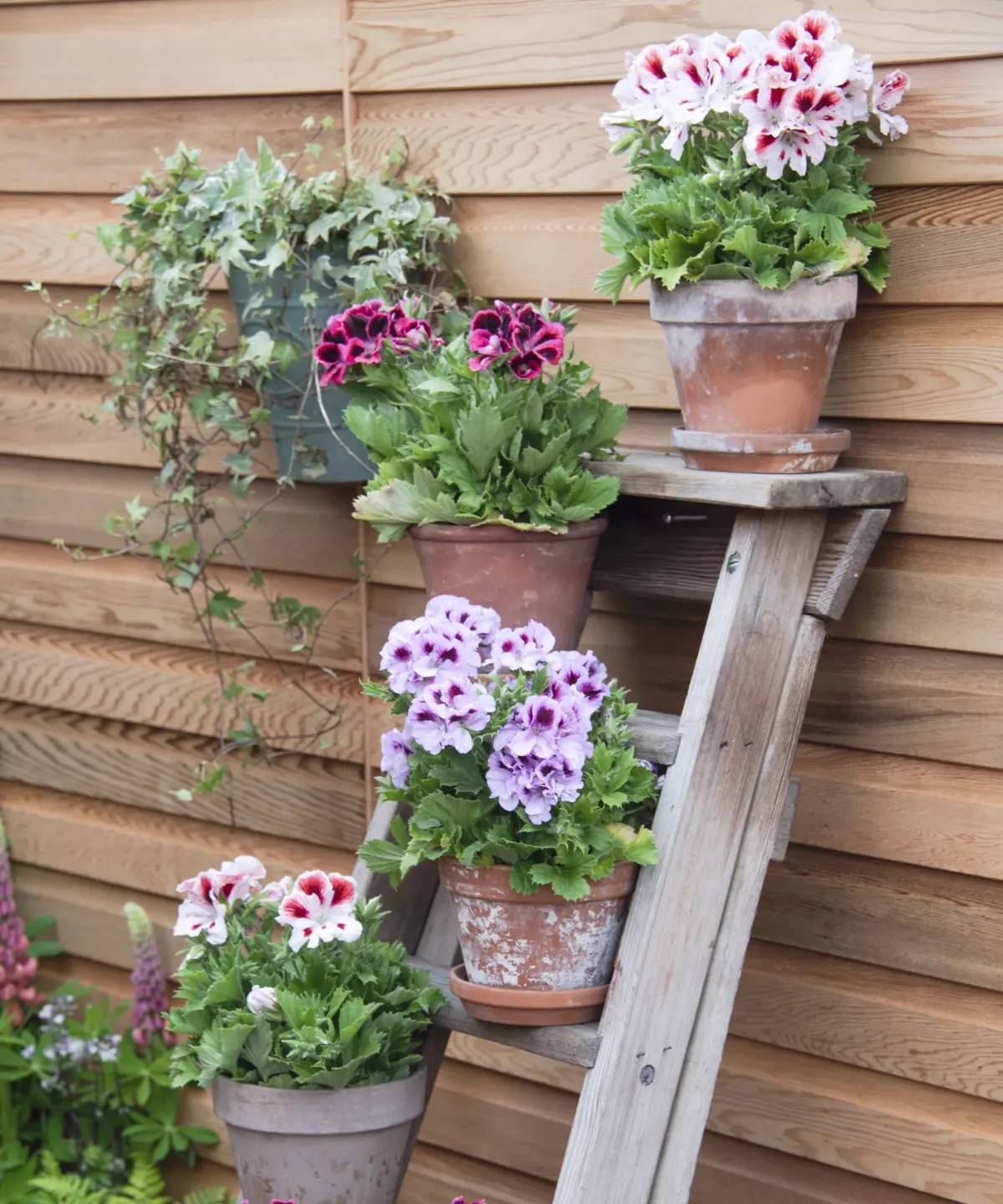
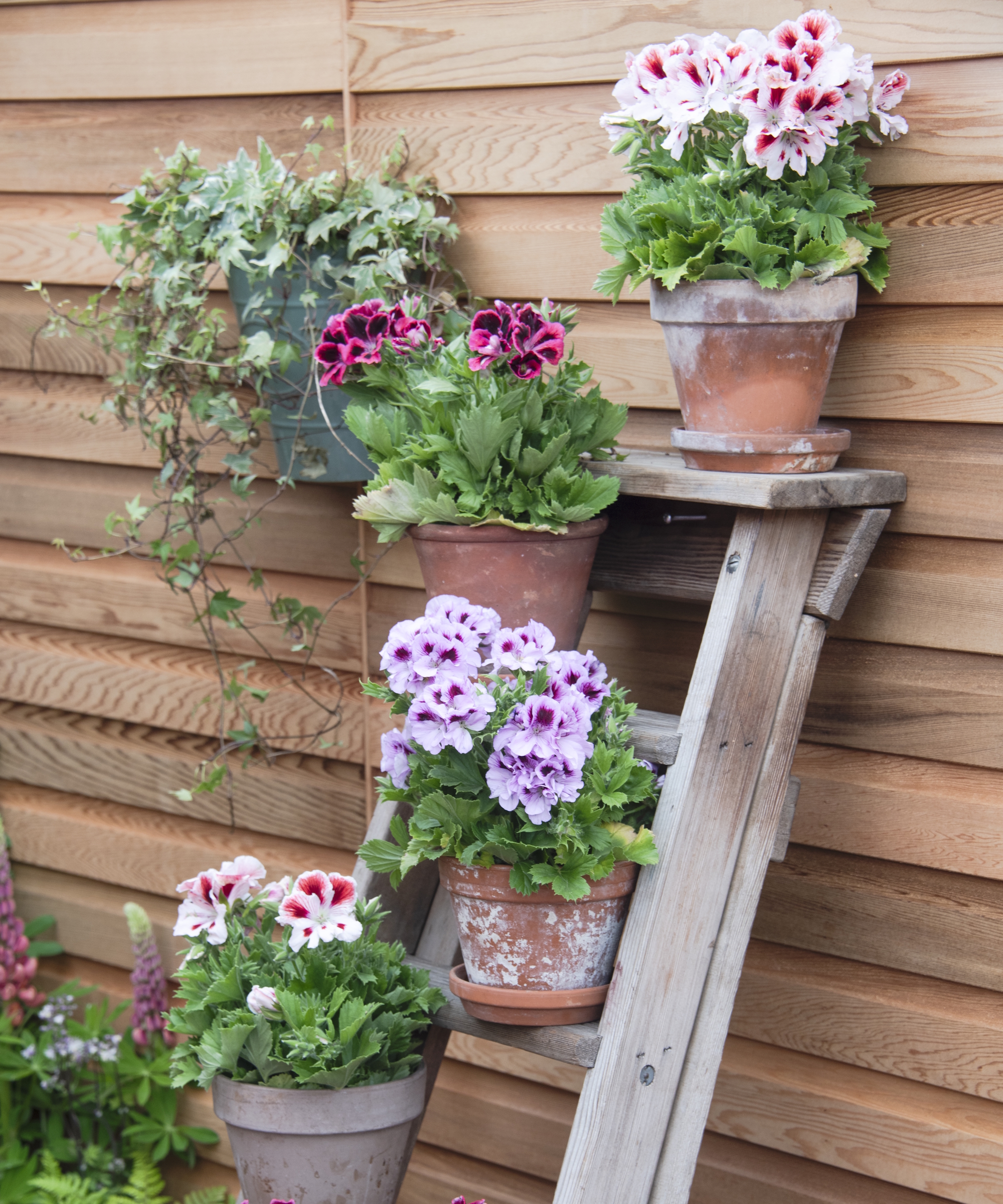
Prioritizing Tender Houseplants: Plants that spent the summer outdoors—such as pelargoniums (geraniums), coleus, begonias, Boston ferns, and pothos—must be transitioned indoors immediately.
Managing Tropical Garden Exotics: In-ground or potted tropicals like banana trees, bird of paradise, aeoniums, and young citrus require specialized shelter or heavy frost protection.
Safeguarding Containers: Potted plants are inherently more vulnerable than in-ground plants because their root systems are exposed to rapid temperature fluctuations through the sides of the pot.
Protecting New Plantings: Newly installed landscape plants lack established root systems and require extra insulation, such as heavy mulch and floating row covers.
Chronology of Fall Garden Protection: A Week-by-Week Action Plan
To prevent the scramble of a midnight frost warning, horticulturs recommend a structured timeline starting well in advance of the first freezing forecast.
Phase 1: Late Summer to Early Fall (Nighttime Temps Near 50°F)
Inspect and Treat for Pests: Before bringing any outdoor container plants or summer houseplants indoors, perform a thorough inspection. Michael Jesiolowski, Plant Clinic Manager at The Morton Arboretum, advises treating plants with insecticidal soap or neem oil to eradicate hitchhiking pests like aphids, spider mites, and fungus gnats before they migrate into your living space.
Begin Moving Container Plants: Utilize rolling plant caddies or hand trucks to shift heavy tropicals, citrus trees, and tender ornamentals onto covered porches, into sunrooms, or near bright indoor windows.
Phase 2: Mid-Autumn (The 40s Fahrenheit)
Group Pots and Add Insulation: For container plants that must remain outside a bit longer, cluster them closely together against the warm southern or western wall of your home. This thermal mass helps buffer chilly winds.
Prepare Protection Materials: Stock up on frost cloth, burlap, cloches, and breathable bed sheets. Ensure you have wire hoops or stakes ready so that any physical covers can be tented over plants rather than pressing directly against the foliage, which can cause cold transfer damage.
Phase 3: Imminent Frost Warning (Nighttime Temps Nearing 32°F)
Deploy Covers and Cloches: Drape frost cloth over vulnerable in-ground perennials, tender salvias, and newly established shrubs. Secure the edges with stones or soil to trap ground heat.
Leave Certain Bulbs for Later: Note that while tender houseplants and annuals cannot tolerate frost, bulbous plants like dahlias, cannas, gladioli, and caladiums actually benefit from a light touch of frost before their foliage dies back. Only after the first black frost should you lift, dry, and store these tubers for the winter.
Supporting Data: Understanding Cold Thresholds and Hardiness Zones
Understanding how temperature drops affect plant biology helps remove the guesswork from autumn garden management.
Zone 5–8 Dynamics: In these temperate zones, average first frost dates span from mid-October in northern latitudes (Zone 5) to mid-November in the coastal or southern bounds of Zone 8. Microclimates within urban areas or suburban wind-protected corners can shift these dates by a week or two.
The 50°F Rule for Tropicals: True tropicals (such as orchids, bromeliads, and many indoor foliage plants) originate in ecosystems with minimal seasonal temperature variation. When subjected to prolonged nights under 50°F, their internal water-transport systems slow down drastically, leading to root shock, leaf drop, and susceptibility to fungal diseases once brought into heated, lower-light indoor environments.
Container Root Vulnerability: Plant roots are significantly less cold-hardy than stems and foliage. While a mature shrub in the ground might easily survive 25°F (-4°C), the exact same plant in a thin plastic or terracotta pot will see its root ball freeze solid at 28°F (-2°C), resulting in permanent plant death.
Official Expert Insights and Responses
Horticultural authorities and landscape designers stress that timing and technique are everything when fighting an early freeze.
Michael Jesiolowski, Plant Clinic Manager at The Morton Arboretum:
"Houseplants that have been brought outside during the summer months should be returned indoors a few weeks before a potential frost—when the temperature starts to dip to near 50°F is a good time. Check for insects and apply insecticidal soap or neem oil before they are brought in."
Jesiolowski notes that the Morton Arboretum’s Plant Clinic frequently fields emergency calls from gardeners who waited until the local weather report announced a freezing warning, only to find their favorite specimens permanently damaged.
Mirela Bajic, Senior Garden Designer at House Designer:
"If I only had ten minutes before a frost, tender plants come first. Pelargoniums, tender salvias, young citrus—a light frost can wreck these outright, not just knock a few leaves off. If you are wondering what should be prioritized, the order should be: tender first, containers second, anything newly planted third."
Bajic also offers practical advice for quick field remedies: "Keep it simple. Move what you can, fleece whatever’s stuck outside, bring the genuinely tender stuff in if there’s room."
Rebecca McLeod, Gardening Content Creator and Digz Gardening Ambassador:
"Frost cloth is best, but sheets or another breathable fabric works too. If you’re using plastic, be sure that it’s not touching the plant, as that will cause damage to the foliage it touches."
Implications: Long-Term Benefits of Proactive Fall Garden Care
The choices a gardener makes during the critical transition weeks of October and November have profound implications for both the immediate health of indoor collections and the resilience of next year’s garden ecosystem.
1. Financial and Emotional Value Preservation
Replacing mature tropical specimen plants, large potted citrus trees, and established exotic perennials can represent a significant financial investment. Taking two hours to move pots indoors or drape frost blankets prevents hundreds of dollars in plant loss. Furthermore, for gardeners emotionally attached to houseplants nurtured over many years, losing them to a sudden October cold snap is an avoidable heartbreak.
2. Pest Management and Indoor Hygiene
One of the most critical implications of the indoor transition is biosecurity. Bringing outdoor plants inside without treating them for pests can introduce spider mites, mealybugs, and whiteflies to an entire indoor collection. By adhering strictly to the pre-entry treatment phase (using neem oil or insecticidal soap), gardeners protect their winter indoor oasis from devastating infestations.
3. Soil and Root Preservation in Containers
Protecting containers through grouping, wrapping, or moving them into unheated garages protects not only the plant but also the pot itself. Water-saturated porous containers like terracotta and low-grade concrete can crack and shatter when trapped moisture freezes and expands. By managing containers proactively, gardeners protect their hardscape investments alongside their flora.
Summary Checklist for the Prepared Gardener
[ ] Monitor local forecasts daily for nighttime drops below 50°F.
[ ] Prioritize tender houseplants and summering tropicals for indoor relocation.
[ ] Inspect and treat foliage with insecticidal soap or neem oil.
[ ] Cluster vulnerable outdoor containers against warm building walls.
[ ] Stock up on breathable frost cloths and insulating mulch for newly established plantings.
[ ] Delay lifting frost-tolerant tubers (like dahlias) until the initial frost blackens their upper growth.