

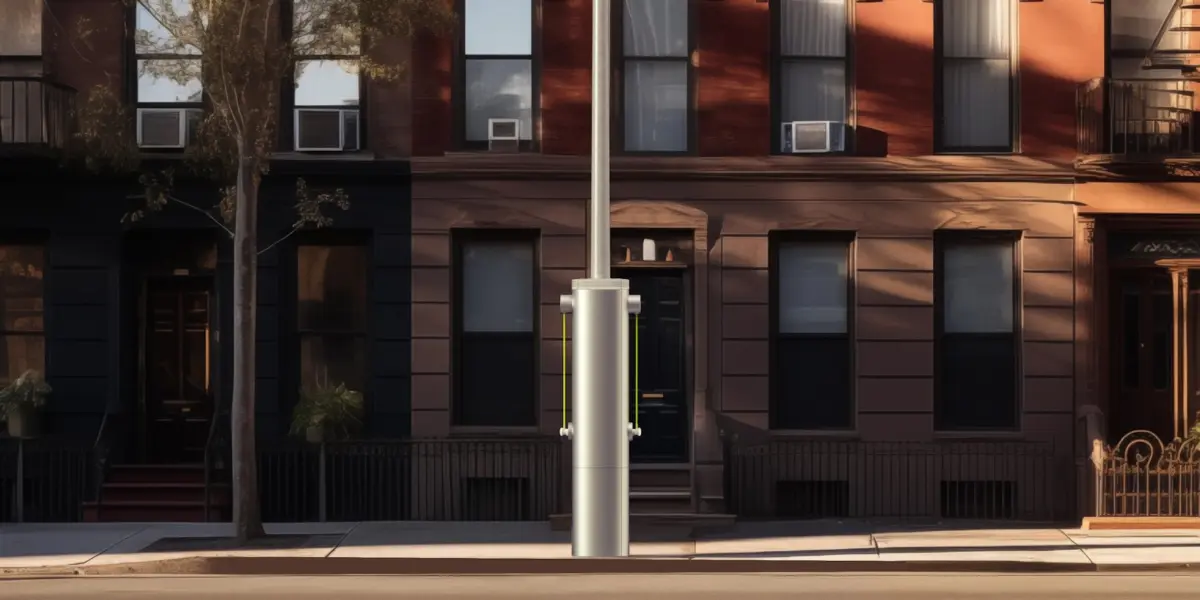
SAN FRANCISCO — In a major step toward a zero-emission future, San Francisco has officially transitioned from small-scale testing to a permanent, citywide curbside electric vehicle (EV) charging program. Spearheaded by the San Francisco Municipal Transportation Agency (SFMTA) and the San Francisco Environment Department, the initiative creates a clear, formalized pathway for private charging operators to install public chargers directly onto neighborhood streets.
The move addresses a critical bottleneck in the city’s climate goals: providing reliable, accessible charging options for urban residents who live in multi-family housing, apartments, or condominiums and lack access to private garages or dedicated driveways. With a target of establishing 100 curbside charging stations by 2030, the city is laying the groundwork for a more inclusive and expansive EV transition.
Main Facts: How the Program Works
The rollout relies on a public-private partnership framework designed to scale infrastructure efficiently while maintaining strict municipal oversight.
- Operator Permits and Site Approvals: The SFMTA is currently accepting applications from qualified charging operators. Companies wishing to build out the network must secure a master operator permit, followed by individual site-specific permits for every single charger location they wish to deploy.
- Rigorous Compliance: The city’s comprehensive permit application package outlines strict criteria regarding hardware equipment standards, ongoing maintenance protocols, mandatory data reporting, and complex spatial requirements to ensure sidewalks remain ADA-compliant and pedestrian-friendly.
- Crowdsourced Neighborhood Input: Through the newly launched ChargeUp SF map, administered by the San Francisco Environment Department, residents and community groups can directly nominate streets, public facilities, and strategic corridors where they want to see chargers installed.
This dual approach—combining municipal regulatory frameworks with grassroots community input—ensures that infrastructure is deployed where demand is highest and most urgently needed.
Chronology: From Experimental Pilots to Citywide Infrastructure
The path to a permanent citywide curbside charging network has been methodical, rooted in years of regulatory planning, inter-agency coordination, and real-world testing.
2024–Early 2025: The Pilot Phase
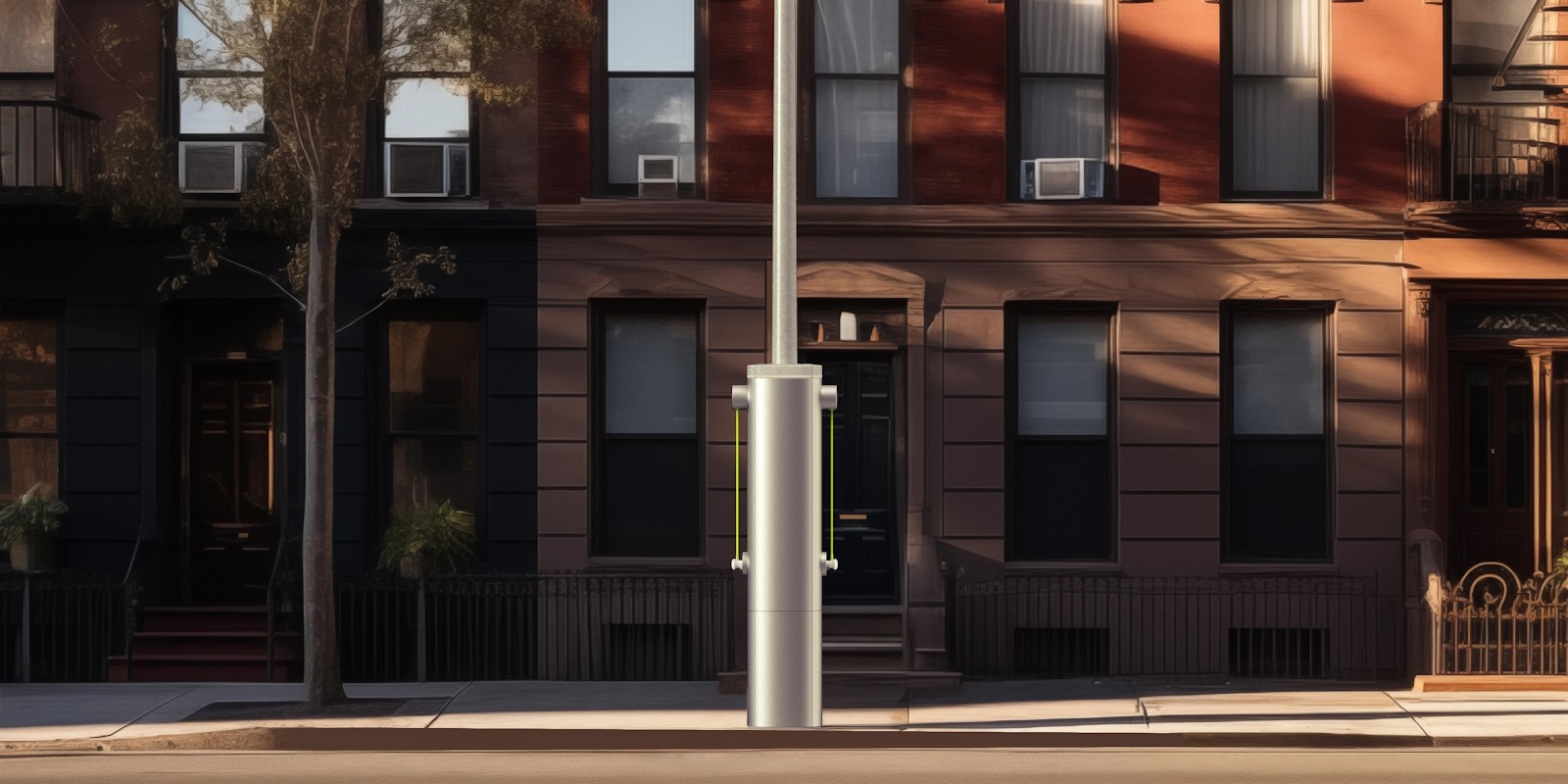
San Francisco’s journey toward curbside charging took tangible shape in April 2025, when the city activated its very first public curbside chargers at 55 Fillmore Street in the vibrant Duboce Triangle neighborhood.
This inaugural pilot program served as a crucial learning laboratory. It brought together three pioneering charging operators—It’s Electric, Urban EV, and Voltpost—to test varied technological designs, utility interconnection pathways, demand patterns, and installation methodologies.
Late 2025: Identifying Operational Realities
The pilot phase provided the SFMTA and city planners with invaluable data. Beyond testing hardware durability and grid impacts, the trial underscored the vital necessity of early and transparent neighborhood outreach. City officials realized that public acceptance and smooth integration into dense residential blocks required more than just technical feasibility; it demanded community collaboration.

2026 and Beyond: Permanent Rollout
With the data from the pilot evaluated, the city transitioned from a temporary testing framework to a permanent, scalable program. Operators can now officially apply for permits, scout viable locations, coordinate with local utilities, consult neighborhood stakeholders, and secure individual site approvals. While a full rollout will take several years of meticulous planning and construction, San Francisco now possesses a permanent bureaucratic and operational machinery to drive these projects to completion.
Supporting Data and Urban Demographics
San Francisco’s pivot to curbside charging is driven by stark demographic and geographic realities. As a densely populated urban center, a significant majority of the city’s population rents or lives in multi-unit dwellings where overnight home charging—the cornerstone of the American EV experience—is structurally impossible.
- The Multi-Family Housing Hurdle: Traditional EV adoption models assume homeowners can plug in overnight in a private garage or driveway. In dense metropolitan environments like San Francisco, this luxury is reserved for a minority of property owners. Without public curbside options, apartment dwellers face "charging deserts."
- The 2030 Target: The city has set an initial benchmark to install 100 curbside charging stations by the end of the decade. While modest compared to sprawling suburban municipalities, each curbside station in San Francisco represents a high-utilization asset capable of serving multiple residents rotationally.
- Grid and Spatial Integration: Operators must navigate San Francisco’s complex underground utility matrix, working alongside local utilities like Pacific Gas and Electric (PG&E) to tap into low-voltage distribution lines without overloading neighborhood transformers.
Official Responses and Stakeholder Perspectives
City leaders have championed the program as an essential pillar of San Francisco’s broader environmental and equity mandates.
Tyrone Jue, Director of the San Francisco Environment Department, emphasized that accessibility is the primary gatekeeper to mass EV adoption.

"For San Franciscans without a garage or driveway, access to charging can determine whether going electric is even practical," Jue stated. "We’re now moving from testing curbside charging toward building a reliable network that gives more residents the opportunity to choose electric and helps cut transportation pollution."
Municipal planners and transit advocates have similarly praised the program for democratizing green technology. Historically, EV ownership skewed heavily toward single-family homeowners with higher disposable incomes and off-street parking. By embedding chargers into the public right-of-way, San Francisco is signaling that sustainable transportation options must be accessible to renters, street-parkers, and diverse socioeconomic communities alike.
Furthermore, participating operators have expressed enthusiasm over the clarity provided by the SFMTA’s permit application package. By outlining clear expectations for data sharing, maintenance response times, and equipment durability, the city has removed regulatory ambiguity, making it easier for private capital to flow into local green infrastructure projects.
Implications for the Future of Urban Mobility
The launch of San Francisco’s curbside EV charging program carries profound implications not only for the Bay Area, but for dense urban centers across North America grappling with the same infrastructure paradox.

1. Blueprint for Dense Metropolises
Cities like New York, Boston, Chicago, and Seattle face identical demographic hurdles: millions of residents living in apartments without garages. San Francisco’s structured methodology—blending a tightly regulated permitting process with community-led mapping tools—serves as a replicable blueprint for municipal leaders nationwide. It demonstrates how cities can leverage private sector investment while retaining strict control over public space and pedestrian safety.
2. Accelerating Transportation Decarbonization
Transportation remains one of the largest contributors to greenhouse gas emissions in urban environments. By removing the charging barrier for apartment-dwellers, San Francisco is unlocking a massive, untapped demographic of potential EV buyers. As more residents feel confident that they can reliably "fuel" an electric vehicle on their street, local adoption rates are projected to climb significantly, directly supporting California’s aggressive state-wide climate mandates.
3. The Evolution of the Public Right-of-Way
As curbside chargers proliferate, city streets are evolving from mere corridors for moving and storing personal vehicles into active energy-distribution hubs. This shift requires careful management of curb space, balancing the competing demands of commercial loading zones, bike lanes, public transit, green infrastructure, and now, EV charging stalls.
Looking Ahead
As the SFMTA begins reviewing operator applications and processing neighborhood nominations via the ChargeUp SF map, San Francisco stands at the vanguard of a quiet transportation revolution. The next few years will test the resilience of the city’s utility grid, the agility of private charging operators, and the patience of local communities. However, with a permanent program now firmly in place, San Francisco has charted a definitive course toward a cleaner, more equitable electric future.
