

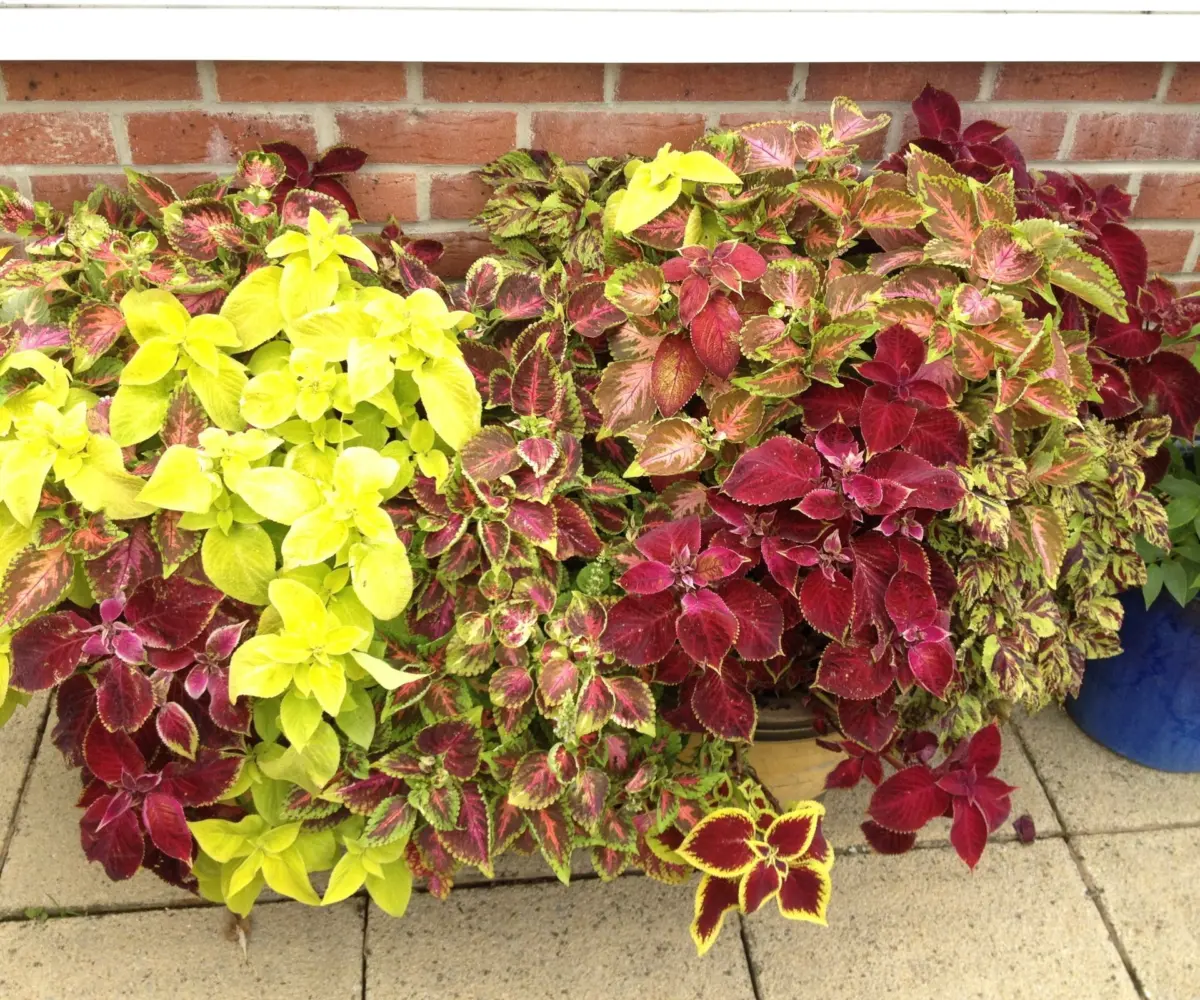
As the calendar turns to October, horticulturists and home gardeners face one of the most exciting, yet frequently overlooked, transitional windows of the growing year. While much of the mainstream gardening media fixates exclusively on putting away summer furniture and clearing out spent annuals, seasoned growers know that mid-autumn offers an unmatched biological sweet spot.
October is unique because it straddles two distinct seasons. It is a time when gardeners can harvest both tender softwood cuttings from plants needing indoor winter protection and sturdy hardwood cuttings from deciduous shrubs that will frame borders in the seasons to come. Far from being the winding down of the gardening year, October marks the commencement of propagation season—a cost-effective, deeply rewarding method to expand plant collections, insure cherished varieties against winter kill, and prepare dynamic garden architecture for the following spring.
Main Facts: The October Propagation Landscape
The core premise of October propagation relies on plant physiology during seasonal shifts. As daylight hours wane and temperatures cool, plants redirect their internal energies. Deciduous plants begin dropping their leaves, hardening their stems into woody material capable of surviving freezing temperatures. Simultaneously, tender perennials and frost-sensitive houseplants can still yield pliable, active growth points that root readily under indoor or protected conditions.

Essential Gear for Autumn Propagation Success
Success in October propagation hinges not just on technique, but on hygiene and proper preparation. Gardeners embarking on fall cutting projects should assemble a basic kit:
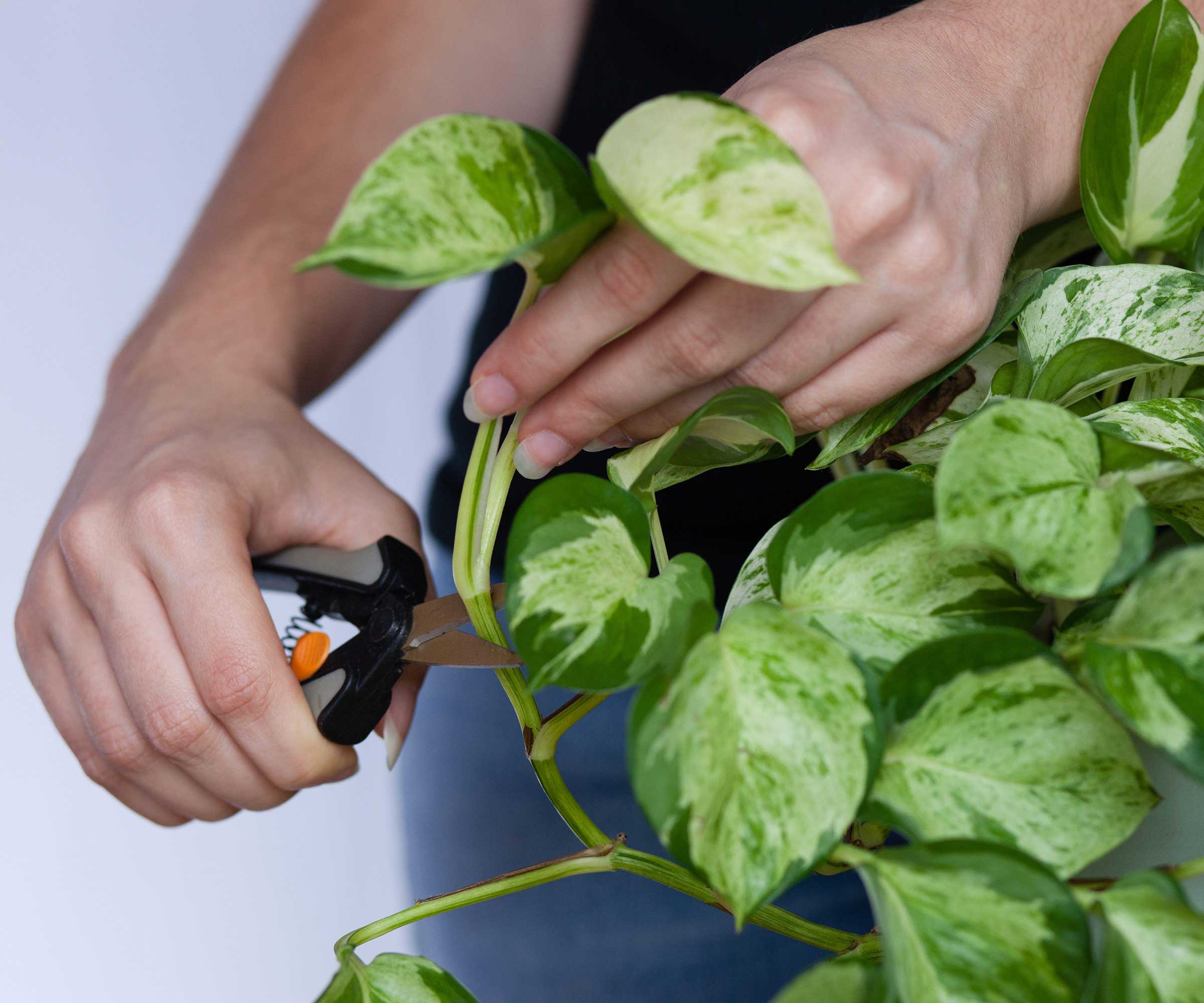
- Clean, razor-sharp pruners: Essential for making clean cuts that do not crush or tear delicate plant vascular systems (such as Japanese pruning shears or micro-tip snips).
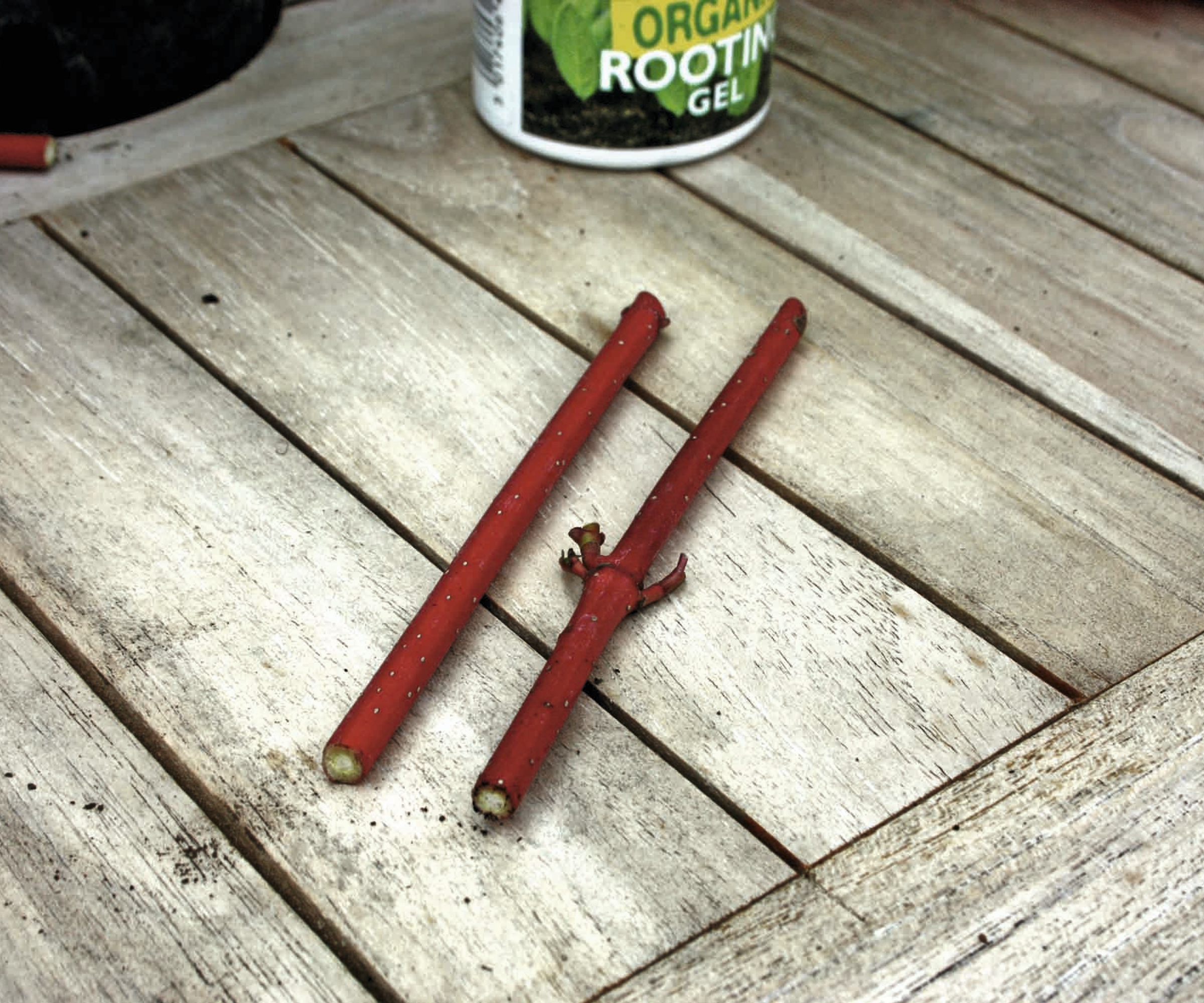
- Rooting hormone: Available in powder or gel formulations (like IBA-based root stimulators) to accelerate cell division at the wound site.
- Well-draining substrates: A specialized seed and cutting compost, or a mixture of perlite and peat-free potting mix, ensuring adequate aeration around developing roots.
- Moisture management tools: Clear plastic bags, humidity domes, or soil moisture testers to prevent the twin perils of desiccation and root rot.
Chronology: The Seasonal Transition from Summer to Hardwood
Understanding the timeline of autumn propagation helps gardeners synchronize their efforts with nature’s clock:
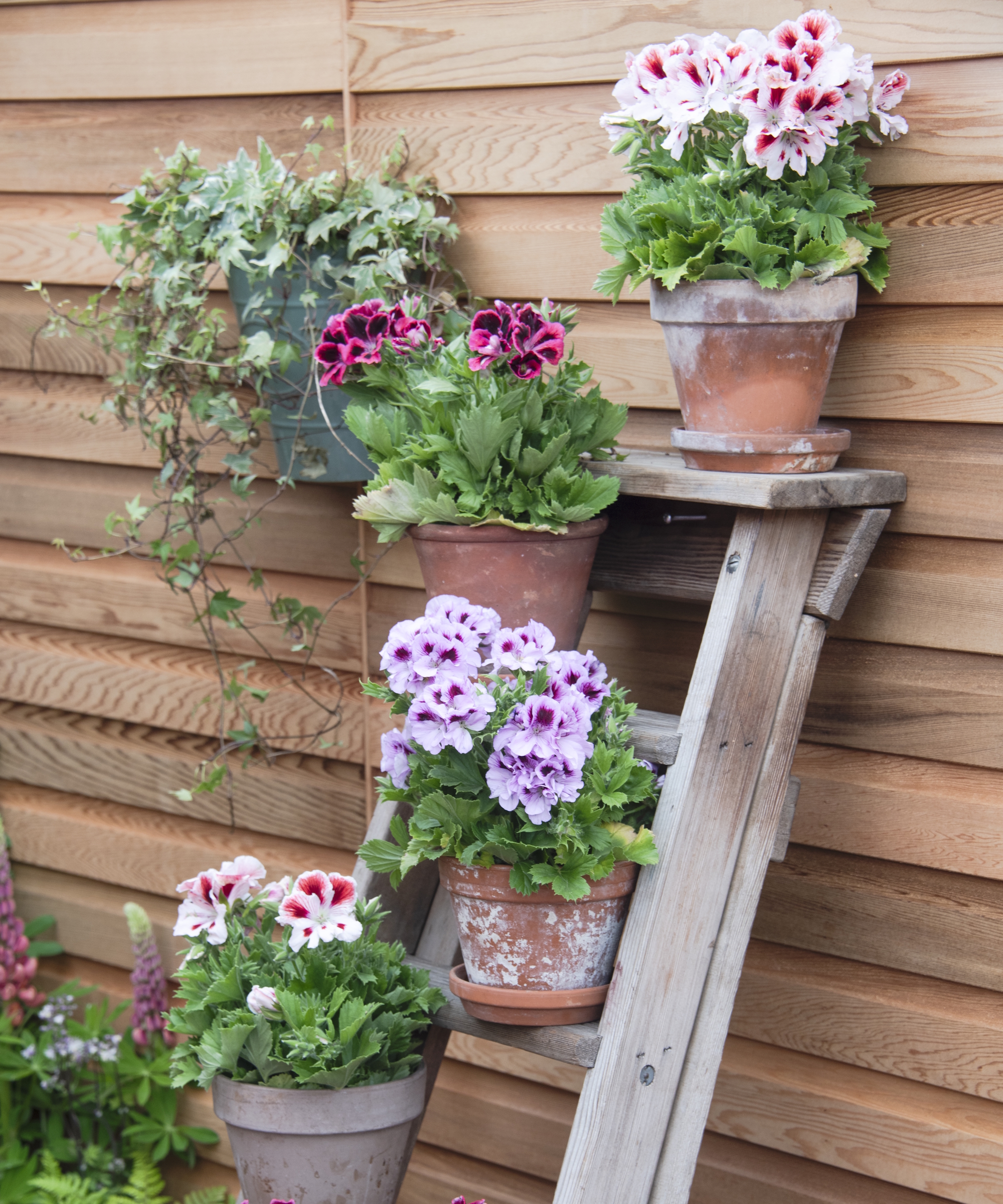
- Early October (The Tender Rescue): Gardeners must prioritize tender bedding plants and tropicals—such as pelargoniums, coleus, and fuchsias—before the first hard frost arrives. Softwood cuttings taken now will root indoors over a 4-to-6-week window, establishing healthy root systems before deep winter dormancy sets in.
- Mid-October (The Indoor Houseplant Shift): As indoor heating kicks on and houseplants are brought back inside, resilient tropicals like pothos, monsteras, and spider plants can be aggressively propagated via water or soil cuttings.
- Late October (The Hardwood Harvest): Once deciduous shrubs (such as forsythia, dogwoods, and viburnums) have shed their leaves and entered true dormancy, the window opens for taking woody, pencil-thick hardwood cuttings. These require minimal fuss, often sitting out the winter in unheated cold frames or outdoor trenches until spring root initiation occurs.
Supporting Data: Economic and Horticultural Benefits
Propagating plants in October yields high economic returns for home gardeners facing rising nursery costs. Data from horticultural societies indicates that taking cuttings can achieve success rates upwards of 80% when proper sanitation and rooting hormones are applied.
Furthermore, fall propagation acts as a critical garden insurance policy. For tender perennials that cannot survive USDA Hardiness Zones below 10 or 11 outdoors, maintaining insurance cuttings indoors guarantees that vibrant container displays and bedding designs do not need to be repurchased every spring.
In addition to cuttings, October remains the premier month for plant division. Established herbaceous perennials—including coneflowers, hostas, daylilies, peonies, black-eyed Susans, and yarrow—can be dug up and split. As long as these newly divided clumps are given a minimum of four weeks in the soil to establish anchor roots before the ground freezes solid, they will emerge double in size and vigor the following spring at zero financial cost.
Official Recommendations: Step-by-Step Propagation Guides by Species
To maximize success, different plant families demand tailored approaches during the autumn transition.
1. Pelargoniums (Tender Geraniums)
Adored for their vibrant blooms and fragrant foliage, pelargoniums are not frost-hardy and must be protected or propagated before freezing weather strikes.
- The Method: Take 3-to-4-inch softwood cuttings from firm, non-flowering new growth, cutting cleanly just below a leaf node. Strip away the lower foliage.
- The Process: Allow the cut end to callous over in a bright spot for a few hours. Dip the base in rooting powder and insert into small pots filled with well-draining potting mix. Keep in a warm, bright spot out of direct sunlight. Roots generally form within 4 to 6 weeks, verified by a gentle tug test showing resistance.
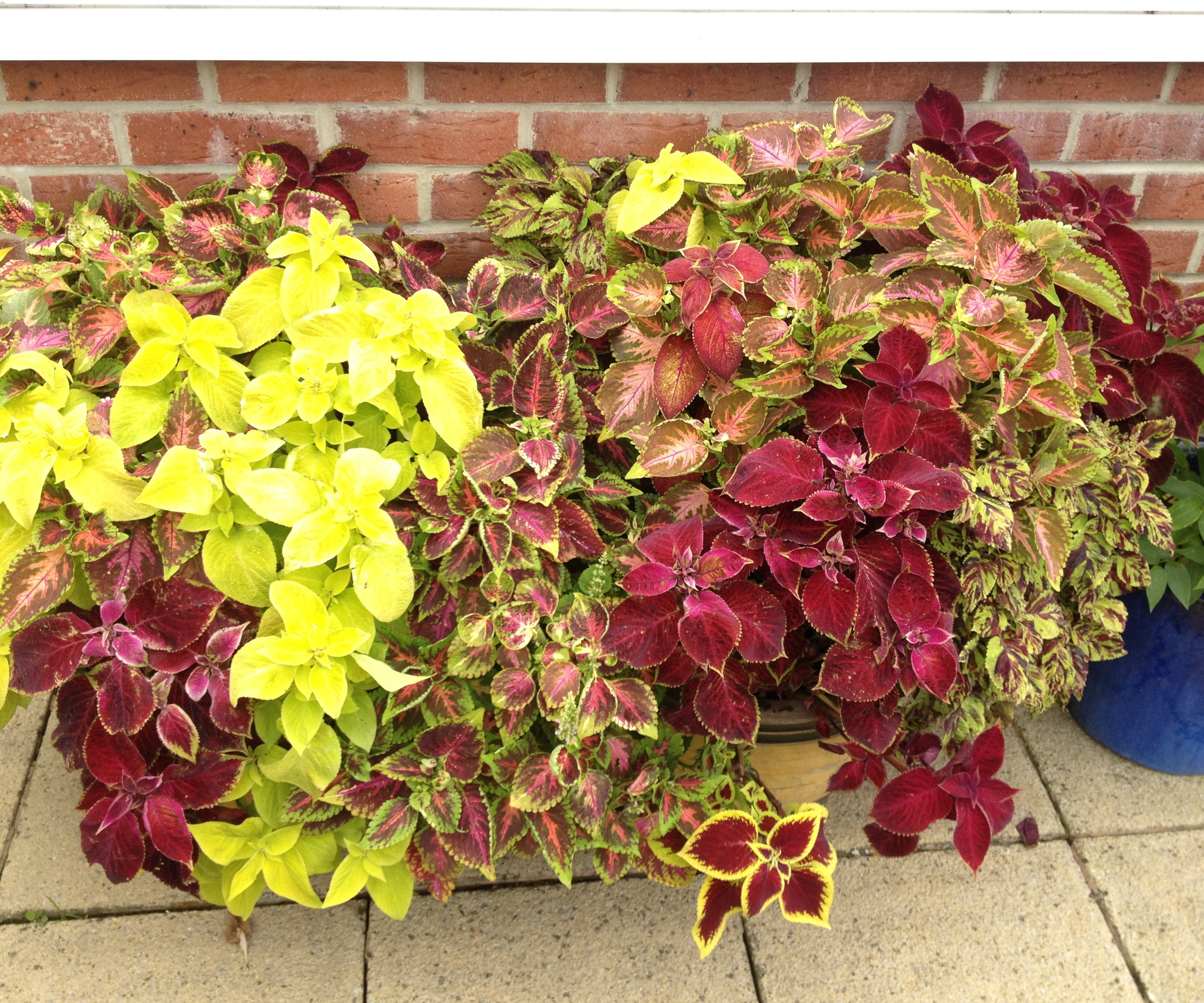
2. Coleus
Valued for their flamboyant, hyper-colored foliage, coleus function primarily as annuals in temperate zones but make exceptional winter indoor plants.
- The Method: Snip 4-to-6-inch softwood tips from healthy stems.
- The Process: Coleus are exceptionally versatile; they can be rooted successfully in either small pots of compost or simple jars of water placed on a bright, indirect windowsill. Once roots reach 1 to 2 inches in length, pot them into organic, nutrient-rich potting soil.
3. Fuchsias
Whether trailing in hanging baskets or standing tall in garden beds, tender fuchsias require indoor sheltering or annual propagation to survive cold winters.
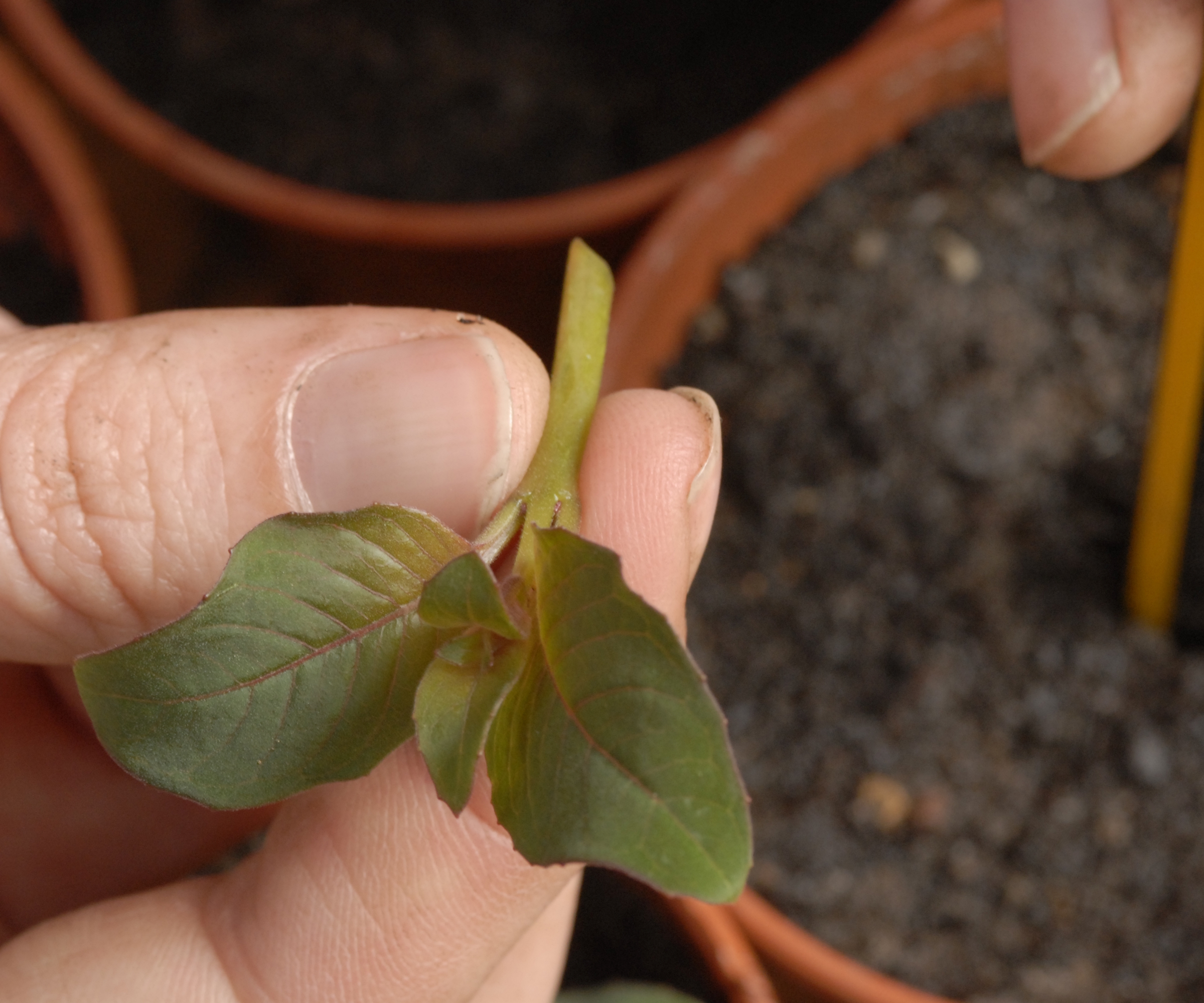
- The Method: Harvest healthy, soft growing tips measuring 4 to 6 inches. Remove all but the uppermost two leaves.
- The Process: Group three or four cuttings around the edge of a single small pot. Cover the container with a clear plastic bag to lock in humidity. Utilizing a seedling heat mat beneath the pot can significantly accelerate rooting speeds as autumn temperatures drop.
4. Pothos and Popular Houseplants
Indoor foliage plants can be multiplied effortlessly during the indoor transition period. Pothos, spider plants, monsteras, and philodendrons respond brilliantly to fall propagation.
- The Method: Cut 4-to-6-inch stem sections containing at least two or three nodes and leaves.
- The Process: Submerge the lower node in a glass of clean water, ensuring leaves remain above the waterline. Change the water every few days to prevent bacterial rot. Once sturdy 2-inch roots develop, transplant the cuttings into standard potting soil.
5. Dogwoods (Cornus)
For brilliant winter stems in shades of fiery red, yellow, and orange, woody dogwoods provide architectural structure during drab winter months.
- The Method: Target pencil-thick, healthy hardwood stems grown during the current season once the leaves have fallen. Cut them to lengths of 6 to 10 inches, making a flat cut at the bottom node and an angled cut at the top.
- The Process: Dip the base in rooting hormone and plant the cuttings deep into a container filled with specialized cuttings compost. Overwinter the pot in a cold frame or unheated greenhouse, ensuring the soil remains moist but never waterlogged.
6. Viburnums
These resilient, fast-growing shrubs offer multi-season interest through spring flowers, vivid autumn foliage, and winter berries.
- The Method: Take 8-to-10-inch hardwood cuttings in late October. Strip the leaves, apply rooting hormone, and place them into deep containers filled with a sharp, free-draining medium.
- The Process: Patience is essential here; hardwood viburnum cuttings require several months to initiate root systems. Maintain even moisture levels using a soil moisture meter to guard against fatal overwatering.
7. Forsythia
Announcing the arrival of spring with explosive yellow blooms, forsythia is one of the most reliable hardwood subjects for autumn propagation.
- The Method: Collect 6-to-8-inch hardwood stems after autumn leaf drop.
- The Process: Insert two-thirds of each cutting directly into a sheltered outdoor trench or an indoor cold-frame pot, ensuring consistent soil moisture over the winter months. Alternatively, forsythia stems can be rooted directly in water indoors under bright, indirect light.
Implications: Building Resilience and Sustainability in the Modern Garden
The practice of October propagation carries significant implications for modern domestic horticulture. In an era marked by economic uncertainty and climate volatility, relying on commercial nurseries for annual replenishment of garden stock is increasingly unsustainable.
By mastering the dual techniques of autumn softwood cuttings, hardwood rooting, and perennial division, gardeners reclaim autonomy over their landscape design. October propagation encourages a mindset of ecological stewardship—turning seasonal waste (prunings and trimmings) into abundant biological capital.
Furthermore, engaging in hands-on propagation fosters a deeper psychological connection to local microclimates and natural cycles. As gardeners carefully monitor soil moisture, humidity domes, and root resistance, they transition from passive consumers of plants to active participants in plant evolution. The rewards—manifested in vibrant spring borders, lush indoor jungles, and generous gifts shared with neighbors—prove that October is not the end of the garden’s story, but its most fertile prologue.
